Japan and Australia formalized a groundbreaking energy partnership today, signing agreements that will establish the world's first large-scale international hydrogen trade. Under the terms, Australia will export 225,000 tons of liquid hydrogen annually to Japan starting in 2027, meeting approximately 10% of Japan's projected hydrogen demand and demonstrating the viability of global hydrogen markets.
Strategic Rationale
The partnership leverages the complementary strengths of both nations. Australia possesses vast land areas with exceptional renewable energy potential, particularly solar and wind resources that far exceed domestic needs. Japan, conversely, has limited renewable resources relative to its energy requirements but significant industrial demand for clean energy and advanced technology for hydrogen utilization.
For Japan, hydrogen imports represent a path to energy security and carbon neutrality. The country aims to build a "hydrogen society" where the fuel powers everything from vehicles to power plants to homes. Meeting this ambition requires massive hydrogen supplies beyond what can be produced domestically.
Australia views hydrogen exports as an opportunity to become a clean energy superpower, leveraging its resources to create economic growth and employment while helping global decarbonization efforts. The hydrogen industry is projected to create over 16,000 jobs in Australia by 2030.
Infrastructure and Technology
The agreement encompasses the entire hydrogen supply chain, from production to delivery. Three large-scale electrolysis facilities in Western Australia and Queensland, totaling 3 gigawatts of capacity, will produce hydrogen using renewable electricity. The hydrogen will be liquefied at minus 253 degrees Celsius, reducing its volume 800-fold for efficient shipping.
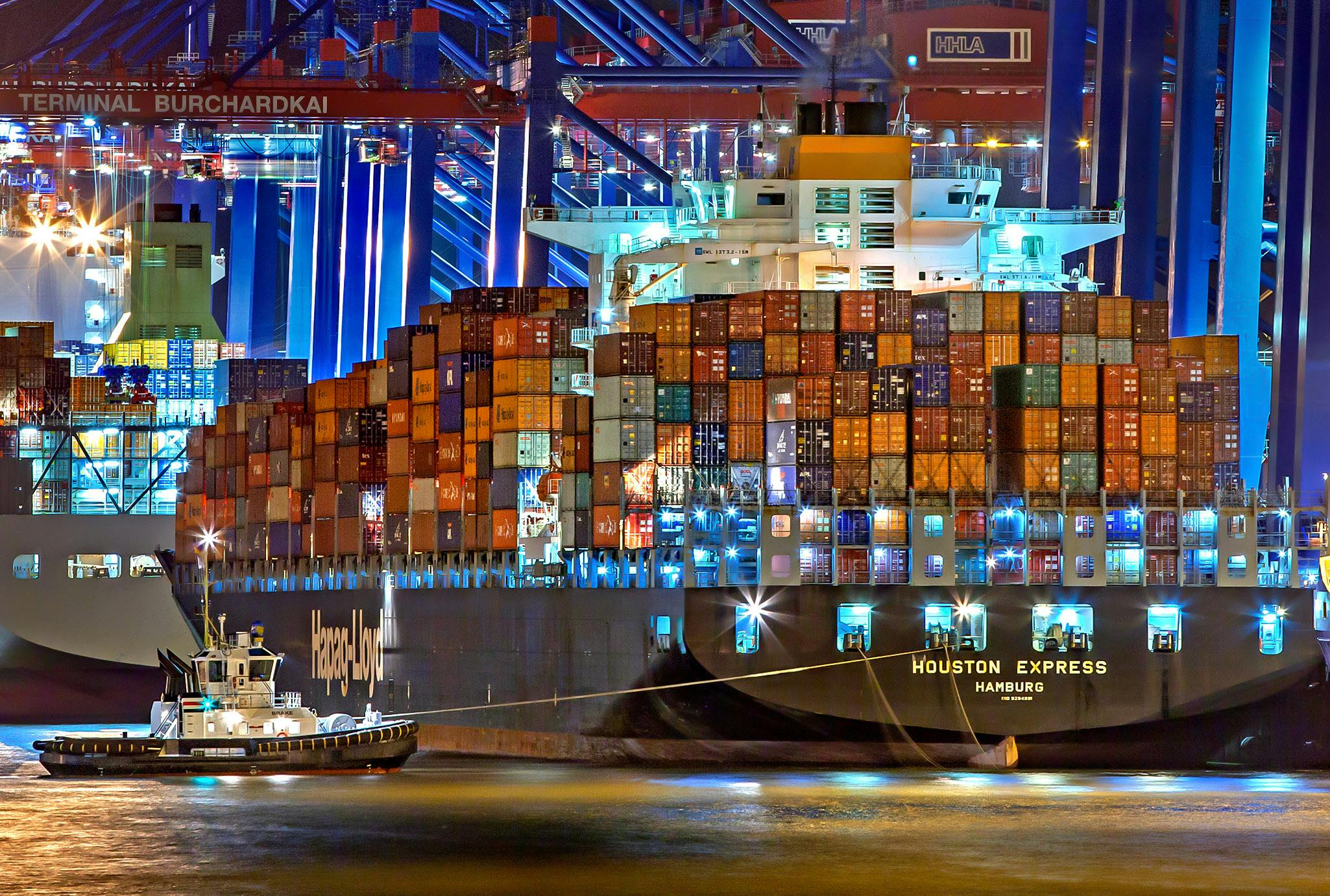
Specially designed hydrogen carriers will transport the fuel across the 6,500 kilometers from Australian ports to Japan. These ships feature advanced insulation systems to minimize boil-off losses during the 10-day voyage. The first two carriers are under construction at a Japanese shipyard, with four more planned.
In Japan, new receiving terminals at Kobe, Kawasaki, and Tokyo Bay will regasify and distribute the hydrogen. These facilities include storage tanks capable of holding several weeks' supply, providing buffer capacity against shipping delays or disruptions.
Economic Framework
The 20-year supply agreement includes fixed pricing mechanisms with adjustments based on renewable electricity costs and shipping expenses. Initial hydrogen prices are set at $3.80 per kilogram delivered to Japan, competitive with current liquefied natural gas prices when carbon costs are considered.
Total investment in the supply chain exceeds $15 billion, funded through a combination of private investment, Australian government grants, and Japanese government loan guarantees. Both governments view this as critical infrastructure investment comparable to LNG facilities built in previous decades.
Environmental and Climate Impact
The hydrogen traded under this agreement will be certified as green, produced entirely from renewable electricity with full supply chain verification. When this hydrogen replaces fossil fuels in Japanese industry and power generation, it will avoid approximately 1.8 million tons of CO2 emissions annually, equivalent to removing 400,000 cars from the roads.
Australia has committed that all electricity used for hydrogen production will be additional renewable capacity, ensuring the project drives new renewable energy development rather than diverting existing clean power from other uses.
Catalyzing Global Hydrogen Trade
This agreement establishes precedents and frameworks that other countries can follow. The technical standards, safety protocols, and certification systems developed for this trade lane will likely become international standards, facilitating broader hydrogen commerce.
Several other nations are watching closely. Chile is in discussions with Germany about hydrogen exports. Saudi Arabia is developing export infrastructure targeting European and Asian markets. The United States is exploring hydrogen exports to allied nations seeking energy security.
Long-term Implications
Experts view this agreement as the beginning of a global hydrogen economy comparable to today's LNG market. As costs continue declining and more countries establish hydrogen strategies, international trade volumes are expected to grow dramatically. By 2040, hydrogen trade could exceed 50 million tons annually, reshaping global energy geopolitics.
The Japan-Australia partnership demonstrates that the technical and commercial frameworks for large-scale hydrogen trade are achievable, providing a model for the energy system of the future.