In a historic moment for clean energy infrastructure, officials from 28 European countries gathered to inaugurate the European Hydrogen Backbone, a massive pipeline network designed to transport green hydrogen across the continent. The project represents the largest coordinated effort to build hydrogen infrastructure and marks a pivotal step in Europe's journey toward carbon neutrality.
Scope and Scale of the Project
The European Hydrogen Backbone will ultimately span more than 40,000 kilometers, connecting major industrial centers, ports, and renewable energy production sites. Approximately 60% of the network will consist of repurposed natural gas pipelines, significantly reducing costs and construction time. The remaining 40% will be newly constructed dedicated hydrogen pipelines using advanced materials designed specifically for hydrogen transport.
The phased approach will see 11,600 kilometers operational by 2030, with full completion targeted for 2040. Initial routes will connect major hydrogen production hubs in Spain, Germany, and Scandinavia with industrial demand centers in Germany, France, and the Benelux countries.
Economic Impact and Investment
Total investment in the project is estimated at 80 billion euros, funded through a combination of European Union grants, private investment, and national contributions. Economic modeling suggests the infrastructure will generate over 300,000 direct jobs during construction and enable a hydrogen economy worth 500 billion euros annually by 2040.
The pipeline network is expected to reduce hydrogen transport costs by up to 75% compared to trucking, making long-distance hydrogen trade economically viable. This will allow regions with abundant renewable resources, such as coastal areas with strong winds or southern regions with intense solar radiation, to supply hydrogen to industrial heartlands that lack local renewable potential.
Technical Innovation
Transporting hydrogen presents unique technical challenges due to its small molecular size and tendency to embrittle certain metals. The new pipeline sections use advanced steel alloys with polymer linings that prevent hydrogen embrittlement while maintaining safety and durability. Sophisticated monitoring systems will detect even minute leaks, ensuring safe operation.
Compression stations spaced every 200 kilometers will maintain pressure and flow throughout the network. These stations are powered entirely by renewable electricity, ensuring the hydrogen supply chain remains carbon-free from production to end use.
Integration with Existing Infrastructure
A key advantage of the European Hydrogen Backbone is its integration with existing energy infrastructure. Natural gas pipelines being repurposed for hydrogen will undergo testing and modification, but their basic structure remains usable. This approach cuts costs dramatically while accelerating deployment timelines.
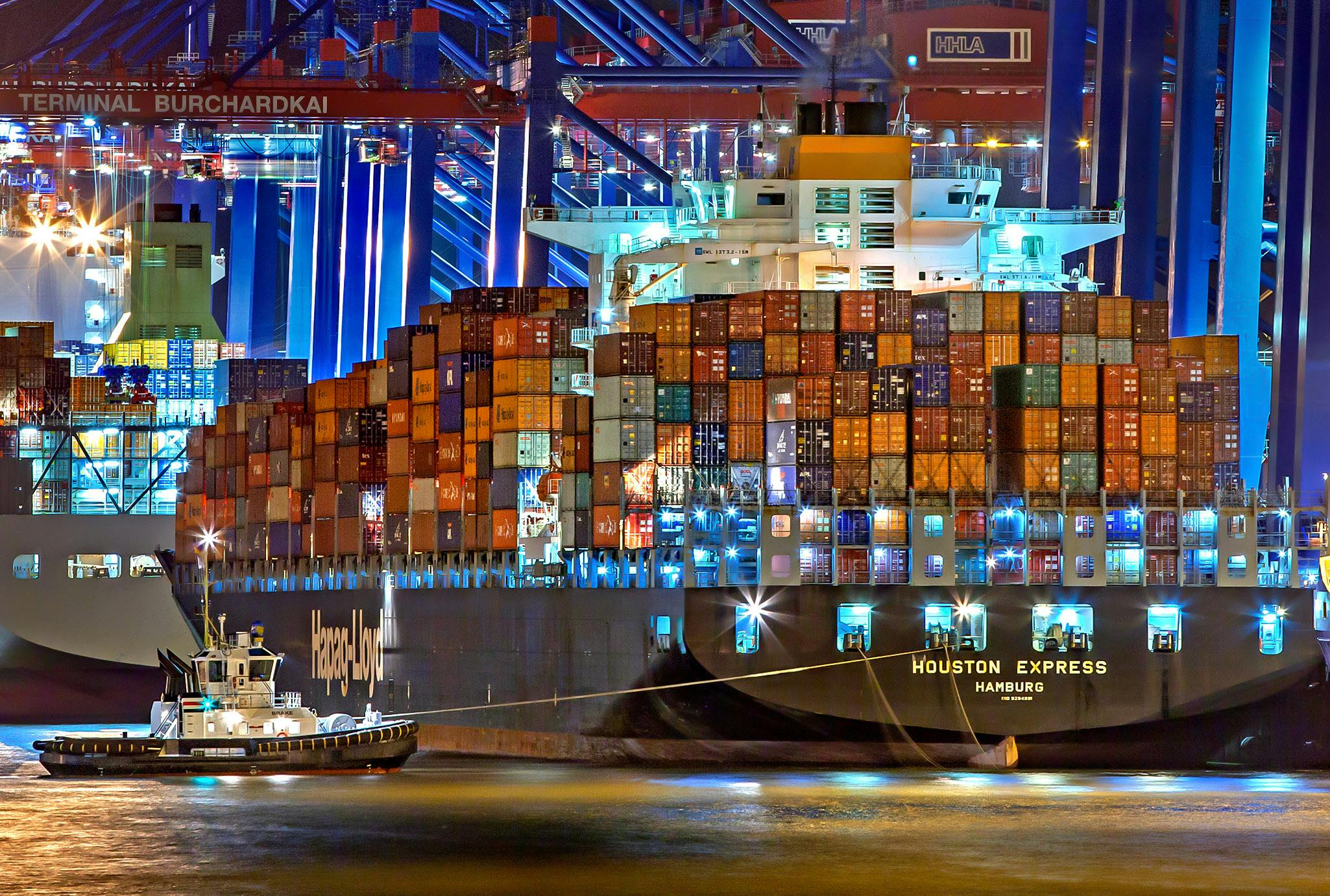
The network will also connect to port facilities where hydrogen can be exported or where ammonia derived from green hydrogen can be imported from regions like North Africa and the Middle East. This creates a true international hydrogen market, similar to current natural gas and oil markets.
Strategic Implications
Beyond environmental benefits, the hydrogen network has significant strategic implications for European energy security. By enabling domestic production and reducing reliance on imported fossil fuels, Europe gains greater energy independence. The diversification of energy sources and suppliers strengthens resilience against supply disruptions.
This infrastructure project signals Europe's commitment to leading the global energy transition and establishing standards for hydrogen quality, safety, and trade that are likely to be adopted worldwide.