A landmark analysis by Bloomberg New Energy Finance reveals that green hydrogen production costs have fallen below the critical $2 per kilogram threshold in several regions, marking a turning point in the global energy transition. This price level makes green hydrogen competitive with conventional grey hydrogen produced from natural gas, fundamentally changing the economics of clean energy.
Drivers of Cost Reduction
Multiple factors have contributed to this dramatic cost decline. Electrolyser capital costs have fallen by 70% since 2020, driven by manufacturing scale-up and technological improvements. Chinese manufacturers have entered the market aggressively, leveraging expertise from battery and solar panel production to drive down equipment costs.
Renewable electricity prices have also plummeted. In regions with excellent solar or wind resources, power purchase agreements are being signed at $15-20 per megawatt-hour, less than half the cost of just five years ago. Since electricity represents 60-70% of green hydrogen production costs, these price reductions translate directly to cheaper hydrogen.
Operational improvements have also played a role. Modern electrolysers operate more efficiently and with higher capacity factors, reducing the per-kilogram cost of hydrogen. Large-scale facilities benefit from economies of scale, with 100-megawatt installations producing hydrogen at significantly lower costs than smaller 10-megawatt plants.
Regional Variations and Leaders

The Middle East, blessed with exceptional solar resources and low-cost land, is emerging as a hydrogen production powerhouse. Saudi Arabia's NEOM project plans to produce green hydrogen at $1.50 per kilogram by 2026. Australia, with vast renewable potential in its interior, is targeting similar price points.
Europe faces higher costs due to less favorable renewable resources and higher land and labor costs. However, even in Germany and the UK, production costs have fallen to $2.50-3.00 per kilogram, approaching competitiveness when carbon costs are factored into fossil fuel prices.
Chile's Atacama Desert, one of the sunniest places on Earth, is attracting billions in investment for hydrogen production facilities. The country aims to become a major hydrogen exporter, with production costs potentially reaching $1.30 per kilogram.
Impact on Industry Adoption
These cost reductions are accelerating industrial adoption of green hydrogen. Steel manufacturers in Europe are signing long-term purchase agreements for green hydrogen delivery starting in 2026. Ammonia producers, who use hydrogen as a primary feedstock, are converting facilities to use green rather than grey hydrogen.
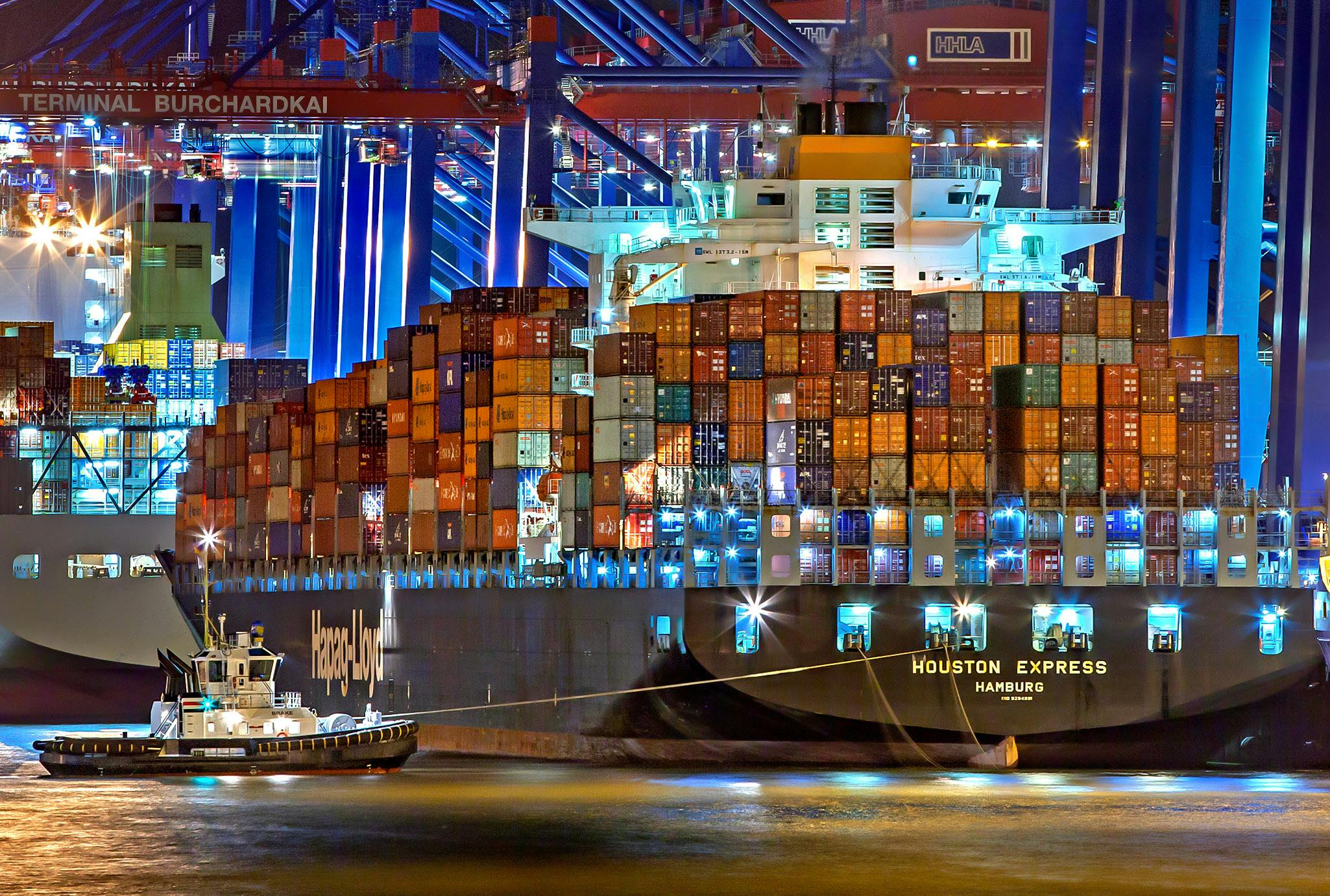
The shipping industry is also taking notice. Major shipping companies are ordering vessels capable of running on ammonia derived from green hydrogen, anticipating that fuel costs will be competitive with conventional marine diesel within five years, especially as carbon regulations tighten.
Policy Support Amplifies Economics
Government incentives further improve the economics. The US Inflation Reduction Act provides tax credits of up to $3 per kilogram for clean hydrogen production. Combined with low production costs in favorable locations, producers can achieve highly attractive returns on investment.
The European Union's Renewable Energy Directive mandates increasing percentages of renewable hydrogen in industry, creating guaranteed demand that de-risks investments. Japan and South Korea are implementing similar policies while building import infrastructure to bring in hydrogen from overseas producers.
Market Outlook
Industry analysts project that global green hydrogen production will increase from 0.7 million tons in 2024 to over 50 million tons by 2030. As production scales and technology continues improving, costs are expected to fall further, with some projections suggesting $1 per kilogram will be achievable in optimal locations by 2030.
This cost trajectory positions green hydrogen as a truly transformative technology, capable of decarbonizing sectors that have few other options while remaining economically competitive.