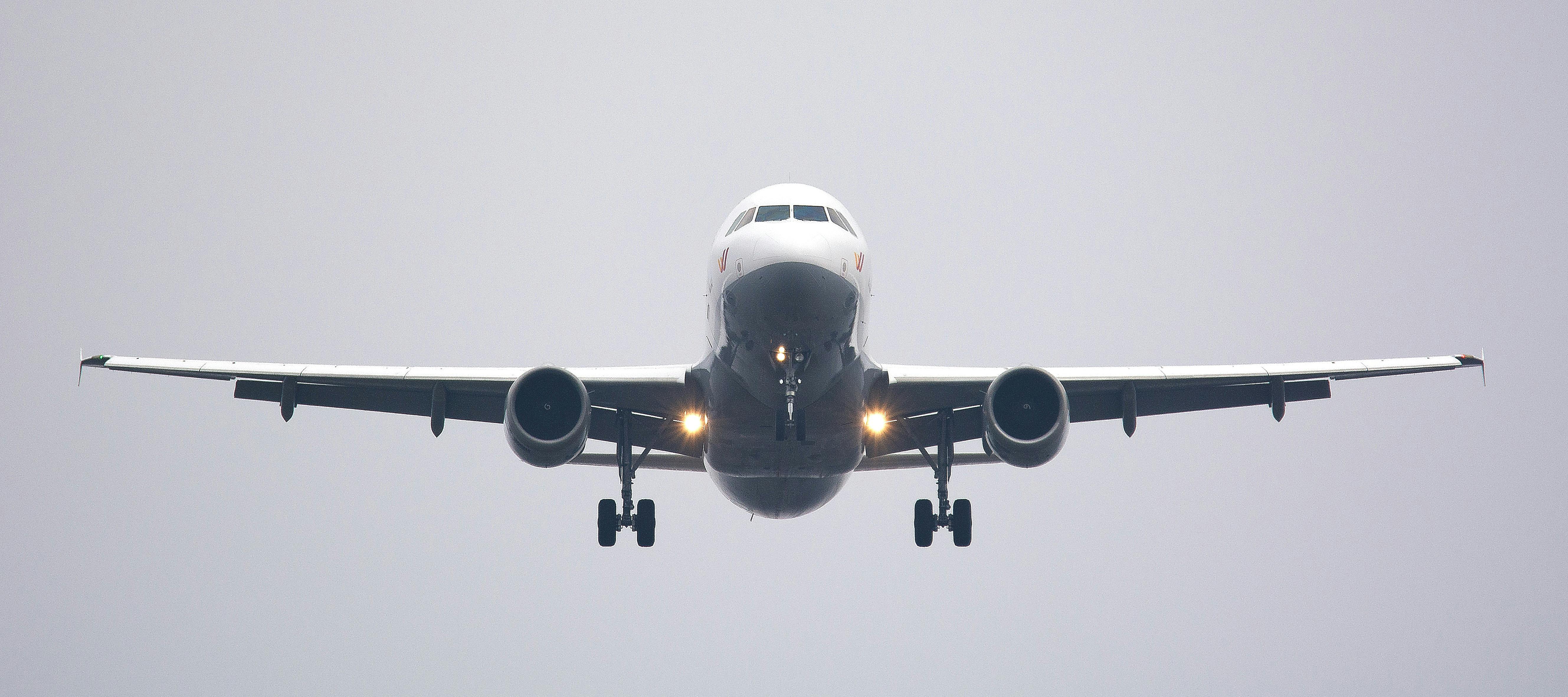
Aviation history was made yesterday as Universal Hydrogen's modified Airbus A380 touched down in London after completing the first transatlantic passenger flight powered entirely by green hydrogen fuel cells. The seven-hour flight from New York carried 50 passengers and crew, demonstrating that zero-emission long-haul aviation is no longer science fiction but emerging reality.
The Technical Achievement
The aircraft underwent extensive modifications to accommodate hydrogen fuel cell propulsion systems. Four hydrogen fuel cell units, each producing 1.5 megawatts of power, replaced the traditional jet engines on two of the aircraft's wings. The remaining engines were converted to burn hydrogen directly, providing additional thrust during takeoff and climb.
Liquid hydrogen stored in cryogenic tanks within the fuselage provided fuel for the journey. The tanks, maintained at minus 253 degrees Celsius, held 13,000 kilograms of hydrogen, sufficient for the transatlantic crossing with reserves. Advanced insulation technology minimized boil-off losses, a critical factor in making hydrogen aviation practical.
Performance and Passenger Experience
Passengers reported a noticeably quieter and smoother flight compared to conventional aircraft. Hydrogen fuel cells produce minimal vibration, and the electric motors driving the propellers operate far more quietly than jet engines. The only emission from the fuel cells was pure water vapor, which was partially collected and used for the aircraft's water systems.
Flight performance exceeded expectations. The aircraft reached a cruising altitude of 35,000 feet and maintained a speed of 850 kilometers per hour, comparable to conventional jets. Range, however, remains a limitation, with current hydrogen systems providing about 60% of the range of kerosene-powered aircraft due to hydrogen's lower energy density by volume.
Infrastructure Requirements
The flight highlighted both the promise and challenges of hydrogen aviation. Major airports will need significant infrastructure investments to produce, store, and dispense liquid hydrogen safely. New York JFK and London Heathrow have already begun installing hydrogen fueling facilities, with completion expected by 2026.
Industry estimates suggest that equipping the world's top 100 airports with hydrogen infrastructure will cost approximately 150 billion dollars. However, this investment pales compared to the aviation sector's contribution to climate change, which currently accounts for 2.5% of global CO2 emissions and is growing rapidly.
Regulatory Approval and Safety
The flight operated under experimental certification from aviation authorities, following two years of rigorous testing and safety validation. Hydrogen's properties differ significantly from conventional jet fuel, requiring new protocols for fueling, storage, and emergency procedures.
While hydrogen's flammability raises safety concerns, experts note that it disperses quickly in open air and actually poses different rather than greater risks compared to kerosene. The aircraft incorporated multiple redundant safety systems, including advanced leak detection and automated ventilation systems.
The Path to Commercial Service
Universal Hydrogen aims to begin limited commercial service on select transatlantic routes by 2028, with broader deployment in the 2030s. Several other manufacturers are developing hydrogen aircraft, targeting shorter regional routes initially before progressing to long-haul applications.
The successful demonstration flight provides concrete evidence that aviation can decarbonize without sacrificing performance or convenience. As hydrogen production costs decline and infrastructure expands, hydrogen-powered flight is positioned to become a cornerstone of sustainable aviation.