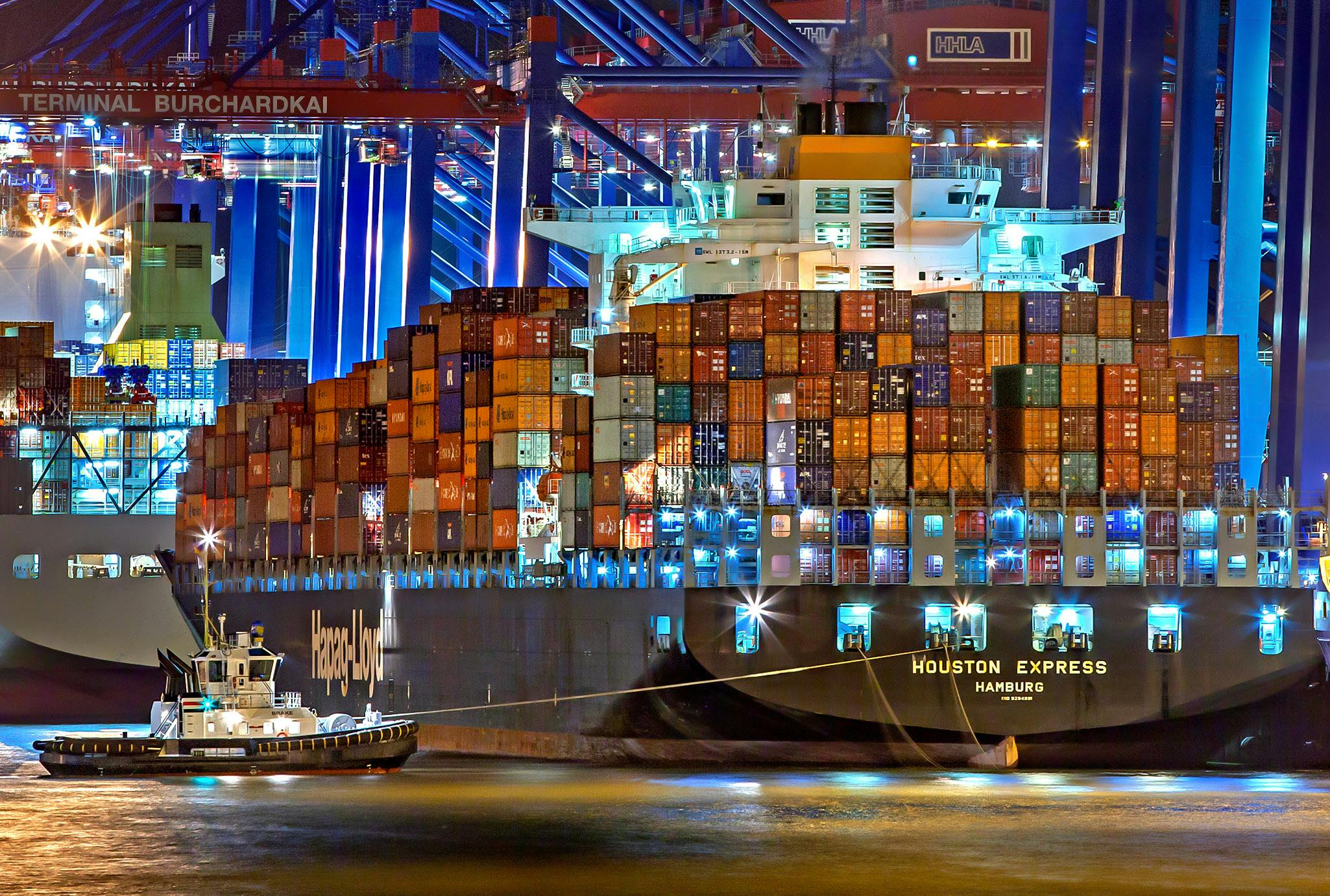
The maritime shipping industry reached a watershed moment this week as the three largest container shipping companies announced orders for a combined 45 hydrogen-powered vessels, representing over $15 billion in investment. This unprecedented commitment signals that hydrogen propulsion has moved from experimental concept to mainstream solution for decarbonizing the shipping sector.
The Maritime Decarbonization Challenge
Shipping accounts for approximately 3% of global greenhouse gas emissions, carrying 90% of world trade. The industry faces stringent new regulations from the International Maritime Organization, requiring a 40% reduction in carbon intensity by 2030 and net-zero emissions by 2050. These targets are particularly challenging given ships' long operational lives and the enormous energy demands of ocean-going vessels.
Traditional solutions like batteries prove impractical for long-distance shipping due to weight and volume constraints. A container ship requires 50-100 megawatt-hours of energy daily, necessitating battery banks weighing thousands of tons and occupying space better used for cargo. Hydrogen and hydrogen-derived fuels offer the energy density needed for practical operation.
Technology and Design
The new vessels will employ two hydrogen technologies. Smaller feeder ships operating on shorter routes will use hydrogen fuel cells with electric propulsion, similar to automotive applications but scaled to megawatt levels. These ships can refuel at ports every 3-4 days, making pure hydrogen storage feasible.
Larger ocean-going vessels will use hydrogen combustion engines or ammonia fuel produced from green hydrogen. Ammonia, while more complex to handle, stores more energy per volume than liquid hydrogen and can be stored at much warmer temperatures, simplifying tank design. Dual-fuel engines capable of running on ammonia or conventional fuel provide operational flexibility during the transition period.
Fueling Infrastructure Development
Parallel to vessel orders, major port authorities are investing in hydrogen and ammonia bunkering infrastructure. Singapore, Rotterdam, and Hamburg are constructing facilities capable of refueling hydrogen-powered ships, with completion targeted for 2026-2027 to coincide with vessel deliveries.
The ports are taking different approaches. Singapore is focusing on imported green ammonia from Australia and the Middle East. Rotterdam is building large-scale electrolysis facilities using offshore wind power to produce hydrogen locally. Hamburg is developing both options, providing flexibility as the market develops.
Initial fueling capacity will be limited, with ships operating on specific "green corridors" between ports with hydrogen infrastructure. As infrastructure expands, route flexibility will increase, eventually covering major global trade lanes.
Economic Considerations
While hydrogen-powered vessels cost 25-40% more than conventional ships, owners are making this investment to meet regulatory requirements and customer demand for low-carbon shipping. Major cargo owners including Walmart, Amazon, and Unilever have committed to shipping exclusively on zero-emission vessels by 2030, creating market pull for clean shipping.
Operating costs depend heavily on fuel prices. At current green hydrogen and ammonia prices, fuel costs are higher than conventional marine diesel. However, carbon pricing under the EU Emissions Trading System and potential carbon taxes in other jurisdictions are narrowing the gap. By 2030, total operating costs are expected to reach parity.
Performance and Operations
Prototype hydrogen ships have demonstrated performance comparable to conventional vessels. Speed, range, and cargo capacity meet commercial requirements, addressing early concerns about hydrogen's practicality in maritime applications. Crew training programs are being developed to safely handle hydrogen and ammonia fuels, building on existing experience with LNG-powered ships.
Maintenance requirements for fuel cell and hydrogen combustion systems appear favorable compared to conventional marine diesels. Fuel cells have fewer moving parts, potentially reducing maintenance costs. However, long-term operational experience is still limited, and maintenance costs remain uncertain.
Industry Transformation
The vessel orders represent more than technology adoption; they signal a fundamental transformation of maritime shipping. Shipyards are retooling to build hydrogen-capable vessels. Classification societies are developing safety standards and certification frameworks. Insurance companies are assessing risks and establishing premium structures.
This transformation creates opportunities for innovation across the supply chain. Companies developing hydrogen storage systems, fuel cells, and safety equipment are experiencing rapid growth. Ports investing in hydrogen infrastructure are positioning themselves competitively for the future of shipping.
Global Impact
If hydrogen adoption continues at current rates, maritime shipping could achieve the IMO's 2050 net-zero target. This would eliminate roughly 1 billion tons of CO2 emissions annually while ensuring continued growth in global trade. The maritime industry's embrace of hydrogen also validates the technology for other heavy-duty transportation applications, accelerating broader adoption.
The coming decade will be crucial as the first generation of hydrogen-powered commercial vessels enters service, proving the technology at scale and paving the way for industry-wide transformation.