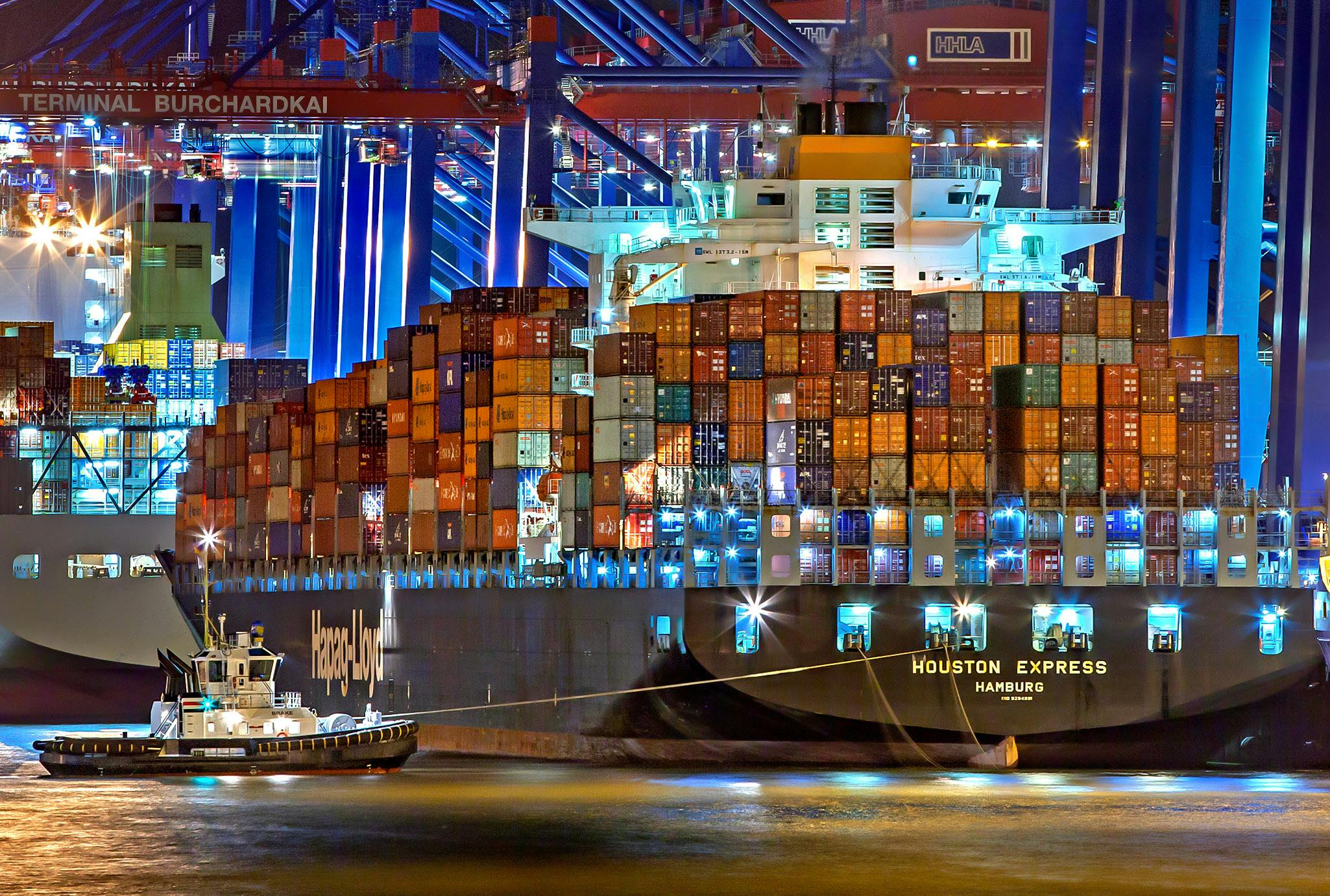
In a landmark moment for maritime decarbonization, the world's largest shipping companies have announced comprehensive strategies to transition their fleets to green hydrogen power. This collective commitment represents a seismic shift in an industry responsible for nearly 3% of global emissions.
Industry-Wide Transformation
Maersk, MSC, and CMA CGM have jointly pledged to retrofit and commission over 500 hydrogen-powered vessels by 2030. This ambitious plan aligns with the industry's broader push toward zero-emission shipping, complementing accelerated hydrogen adoption across the maritime sector. Learn more about maritime applications of green hydrogen.
The transition is being supported by developments in advanced hydrogen storage technology, which addresses one of the key challenges in maritime applications: storing sufficient fuel for long-distance voyages while maintaining cargo capacity.
Infrastructure Development
Port authorities in Rotterdam, Singapore, and Los Angeles are investing heavily in hydrogen bunkering infrastructure. These developments are critical for creating the refueling network needed to support hydrogen-powered vessels globally.
The economic viability of this transition has improved significantly as green hydrogen production costs have fallen below $2 per kilogram, making it increasingly competitive with traditional marine fuels. Our electrolyser technology is helping drive these cost reductions.
Broader Industry Impact
The shipping industry's commitment is catalyzing innovation across multiple sectors. The same hydrogen fuel cell technology is being adapted for heavy-duty trucking, while the overall green hydrogen market continues its explosive growth.
This transformation demonstrates that even traditionally conservative industries are recognizing hydrogen's potential to decarbonize heavy industry and contribute to global climate goals. Discover our comprehensive hydrogen services for maritime applications.