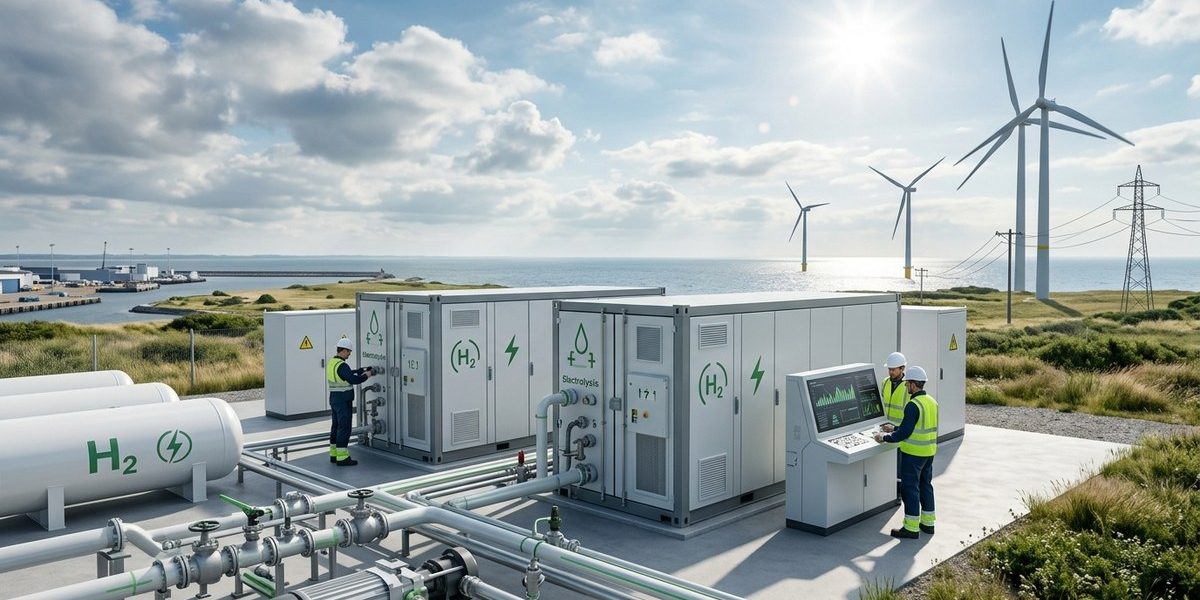
Denmark is rapidly becoming a global leader in green hydrogen production, thanks to innovative electrolyzer technology. The country’s commitment to renewable energy sources and cutting-edge solutions has positioned it at the forefront of the energy transition. As the demand for sustainable fuels grows, understanding the role of electrolyzers in Denmark’s green hydrogen landscape is essential for industry professionals, policymakers, and researchers alike. This guide explores the key factors influencing the selection of electrolysis technology and how Denmark is harnessing it to build a cleaner energy future.
Denmark’s focus on advanced electrolyzer technology is driving efficient, scalable green hydrogen production, supported by strong policies and innovative design. This positions the country as a leader in renewable energy and sustainable industry development.
The importance of electrolyzer technology in Denmark’s green hydrogen ambitions
Denmark’s push towards a fossil-free energy system hinges on the efficient production of green hydrogen. Electrolyzers play a critical role here, as they split water into hydrogen and oxygen using renewable electricity. The country’s favourable wind and solar resources provide abundant clean power, making electrolysis a viable method to generate green hydrogen at scale. This approach aligns with Denmark’s broader climate goals and supports its vision for a sustainable energy sector.
Factors influencing the choice of electrolyzer technology in Denmark
Selecting the right electrolyzer technology involves considering numerous factors. Denmark’s unique energy landscape and industrial needs shape these decisions. Here are the primary considerations:
- Efficiency: High conversion efficiency reduces operational costs and maximises output.
- Capital and operational costs: Cost-effective solutions facilitate large-scale deployment.
- Durability and lifespan: Long-lasting electrolyzers reduce maintenance costs and increase reliability.
- Flexibility and scalability: Adaptable systems support future expansion and integration with variable renewable energy sources.
- Environmental impact: Technologies with minimal environmental footprint are preferred, supporting Denmark’s sustainability objectives.
Types of electrolyzer technology available in Denmark
Denmark’s industry utilises a range of electrolyzer types, each with specific advantages. The main technologies include:
- Proton Exchange Membrane (PEM): Known for rapid response times and high purity hydrogen, PEM electrolyzers are ideal for decentralised applications.
- Alkaline electrolyzers: The most mature and cost-effective technology, suitable for large-scale, continuous operation.
- Solid Oxide Electrolyzers (SOECs): Emerging technology with high efficiency potential, especially when integrated with waste heat sources.
Each type offers benefits suited to different project scales and operational needs, influencing Denmark’s strategic choices.
Danish innovations shaping electrolyzer design and operation
Denmark’s research institutions and industry leaders are pioneering advancements in electrolyzer technology. These innovations focus on increasing efficiency, reducing costs, and improving durability. For instance, recent developments in membrane materials and electrode design have led to more robust and energy-efficient systems. Danish companies are also exploring hybrid setups that combine different electrolyzer types to optimise performance across various scenarios.
“Innovation in electrolyzer design is key to scaling green hydrogen production. Denmark’s collaborative approach between academia and industry accelerates these advancements.” — Dr. Emily Sørensen, renewable energy researcher
Practical steps for deploying electrolyzer technology in Denmark
To successfully implement electrolyzer systems, industry professionals should follow a structured approach:
- Assess renewable energy availability: Evaluate wind and solar resources to determine the most suitable power source.
- Define project scope and scale: Clarify whether the focus is small-scale pilot projects or large-scale industrial plants.
- Select appropriate electrolyzer technology: Consider efficiency, cost, and operational requirements.
- Design infrastructure for integration: Ensure compatibility with existing energy systems and grid stability.
- Implement robust monitoring and maintenance plans: Maximise uptime and lifespan of equipment.
- Engage with policy frameworks and funding opportunities: Leverage government incentives and support schemes.
Techniques and common mistakes in electrolyzer deployment
| Techniques | Common mistakes |
|---|---|
| Conducting thorough resource analysis | Underestimating renewable resource variability |
| Prioritising system modularity | Overlooking scalability for future expansion |
| Using proven, reliable electrolyzer models | Neglecting maintenance planning |
| Integrating with existing energy infrastructure | Ignoring grid stability considerations |
Challenges faced by Denmark and how they are addressed
Despite its leadership, Denmark encounters obstacles such as high capital costs, technological maturation, and grid integration issues. The country’s proactive policies and continuous R&D efforts help overcome these hurdles. Funding programmes support pilot projects, while collaborative research accelerates technological breakthroughs. Additionally, Denmark’s strong grid infrastructure and renewable resource base provide an advantageous environment for electrolyzer deployment.
Future outlook for Denmark’s green hydrogen sector
The trajectory of Denmark’s green hydrogen industry is promising. Key initiatives include large-scale projects like the North Sea energy hub and international collaborations aiming to export green hydrogen. Policymakers are setting ambitious goals to increase electrolyzer capacity and reduce costs further. Industry professionals can contribute by adopting innovative technologies, improving operational practices, and supporting policy development.
Learning from Denmark’s example to advance global sustainability
Denmark’s experience demonstrates that integrating advanced electrolyzer technology into a renewable energy framework can yield significant environmental and economic benefits. Countries seeking to develop their green hydrogen sectors can draw lessons from Denmark’s strategic planning, research investments, and industry collaboration. Embracing these principles will be vital for accelerating the global energy transition.
A practical approach to embracing electrolyzer technology in your projects
Applying Denmark’s strategies involves evaluating local renewable resources, selecting suitable electrolyzer types, and fostering partnerships between industry and research institutions. Staying informed about technological advances and policy developments will ensure your initiatives remain competitive. By focusing on efficiency and scalability, you can contribute meaningfully to building a sustainable, hydrogen-powered future.
Unlocking Denmark’s green hydrogen potential through innovative electrolysis
Denmark’s leadership in electrolyzer technology is shaping a cleaner energy landscape. As the country continues to refine its systems and expand capacity, industry stakeholders should seize opportunities to adopt and adapt these technologies. Building on Denmark’s success can lead to more sustainable industry practices and a healthier environment for future generations.