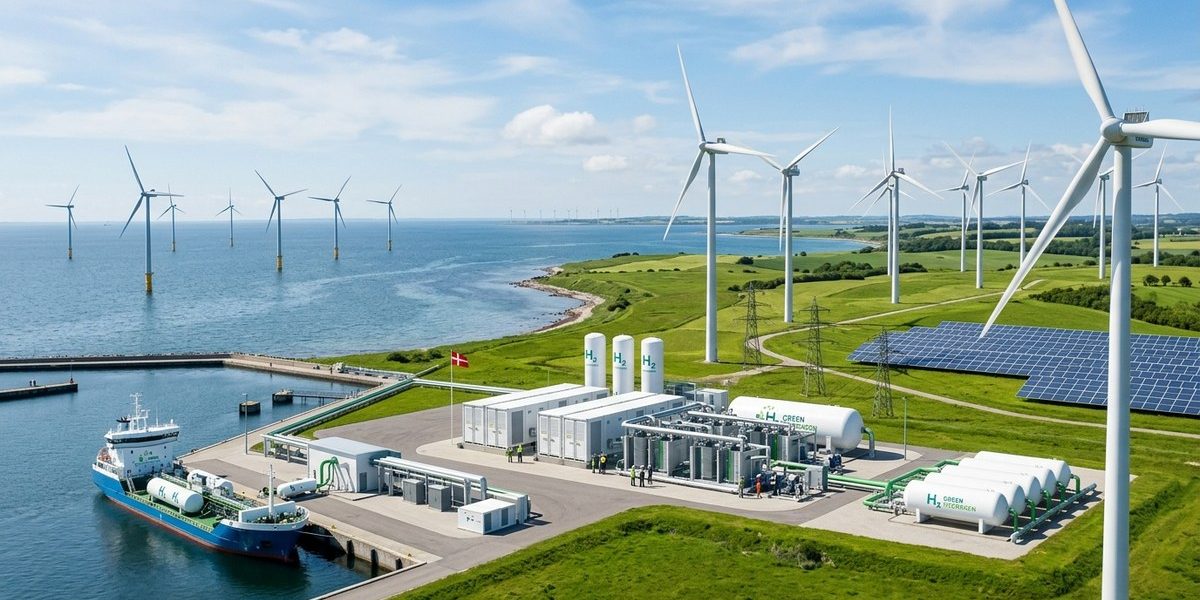
Denmark is taking bold steps to transform its energy landscape by harnessing renewable sources to produce green hydrogen. As a country renowned for wind power and innovative energy policies, Denmark is positioning itself as a leader in green hydrogen development. This shift not only supports its climate commitments but also opens new avenues for industry growth and energy security. By integrating cutting-edge technologies and strategic policy frameworks, Denmark is paving the way for a sustainable, low-carbon future powered by renewable energy and green hydrogen.
Denmark’s strategic focus on renewable energy and green hydrogen is setting a global standard for sustainable energy initiatives. By deploying advanced electrolyser technology and supportive policies, Denmark aims to lead in clean energy production, ensuring economic growth and environmental resilience in 2026 and beyond.
Denmark’s Approach to Green Hydrogen and Renewable Energy
Denmark has long been recognised for its leadership in renewable energy, especially wind power. In 2026, this commitment extends into the realm of green hydrogen, which offers a versatile fuel source that can decarbonise sectors difficult to electrify. The Danish government has integrated green hydrogen into its national energy strategy, aiming to produce large quantities of hydrogen through electrolysis powered entirely by renewable sources.
The core of Denmark’s strategy is to create an energy system where electricity from wind farms and solar PV is converted into hydrogen. This hydrogen can then be stored, transported, and used across industries, transport, and even in power generation. This approach reduces reliance on fossil fuels and aligns with Denmark’s ambitious climate goals for 2030 and 2050.
The Role of Electrolyser Technology in Denmark’s Green Hydrogen Landscape
Electrolysers are at the heart of Denmark’s green hydrogen ambitions. These devices split water into hydrogen and oxygen using electricity generated from renewable sources. Danish companies and research institutions are pioneering innovations in electrolyser design, increasing efficiency and reducing costs.
The country’s focus on electrolyser technology includes developing large-scale units capable of producing hundreds of megawatts of hydrogen. Additionally, Danish electrolyser manufacturers are exploring modular solutions that can be deployed incrementally, making green hydrogen production more adaptable to market needs.
Strategic Policies and Public-Private Partnerships
Denmark’s success stems from a supportive policy environment that encourages investments in renewable energy and hydrogen infrastructure. The government offers incentives for green hydrogen projects and facilitates partnerships between industry, academia, and policymakers.
One key initiative is the Green Hydrogen Strategy, which sets clear targets for hydrogen capacity and integration into the energy system. The strategy also promotes international collaboration, positioning Denmark as a hub for green hydrogen in Europe.
Practical Steps to Boost Denmark’s Green Hydrogen Production
Implementing Denmark’s vision involves several practical measures. Here are three essential steps to accelerate green hydrogen development:
- Invest in renewable energy capacity — expanding wind and solar farms to generate the electricity needed for electrolysis.
- Develop large-scale and modular electrolyser facilities — enabling flexible and scalable hydrogen production.
- Create comprehensive infrastructure for hydrogen storage and distribution — ensuring the fuel can reach end-users efficiently.
Technical Insights on Increasing Efficiency
To maximise output, Denmark focuses on optimizing electrolysis techniques. Innovations include high-temperature electrolysers and advanced catalysts that boost efficiency and durability. The country’s research institutions are experimenting with novel materials and operating conditions to reduce energy consumption and costs.
Common Mistakes to Avoid
| Techniques | Mistakes to Avoid |
|---|---|
| Using low-quality water | Contaminants can damage electrolyser components |
| Overloading electrolysers | Can lead to reduced lifespan and efficiency |
| Underestimating storage needs | Risk of hydrogen loss or safety issues |
Expert Advice on Scaling Hydrogen Production
“To succeed, Denmark must continue investing in research and infrastructure while fostering international cooperation. Flexibility and innovation are critical for making green hydrogen a viable and widespread energy carrier.” — Industry expert
Denmark’s Electrolyser Innovations Leading the Way
Danish companies are at the forefront of electrolyser technology. They are developing compact, high-performance units suitable for diverse applications. These innovations are crucial for integrating green hydrogen into existing energy and industrial systems.
Challenges persist, such as sourcing reliable renewable power and managing costs. However, Denmark’s proactive policies and continuous R&D efforts help overcome these hurdles.
Future Initiatives and Industry Contributions
The country plans to establish hydrogen hubs and pilot projects across sectors. Industry professionals can contribute by sharing best practices, developing new applications, and investing in research collaborations. Denmark’s example demonstrates how targeted policies and technological advances can accelerate the green transition.
Emulating Denmark’s Green Energy Model
Other nations can learn from Denmark’s integrated approach to renewable energy and green hydrogen. By prioritising renewable capacity, fostering innovation, and forming strategic partnerships, countries can replicate Denmark’s success.
Final Thoughts on Denmark’s Green Hydrogen Pathway
Denmark’s journey in harnessing renewable energy for green hydrogen highlights the importance of cohesive policy, technological innovation, and industry collaboration. For researchers, policymakers, and industry leaders, Denmark’s example offers a blueprint for a sustainable energy future.
By continuing to invest in electrolyser technology and expanding renewable capacity, Denmark is shaping a clean, resilient energy system. Embracing these strategies can help other nations accelerate their own green energy transitions and contribute to global climate goals.
Taking practical steps towards a sustainable energy future
As Denmark demonstrates, the path to green hydrogen excellence involves strategic planning, technological innovation, and collaborative effort. The momentum built today will define the energy landscape of tomorrow. Industry professionals and policymakers should seize opportunities to drive this transition forward, ensuring a cleaner, more sustainable future for all.