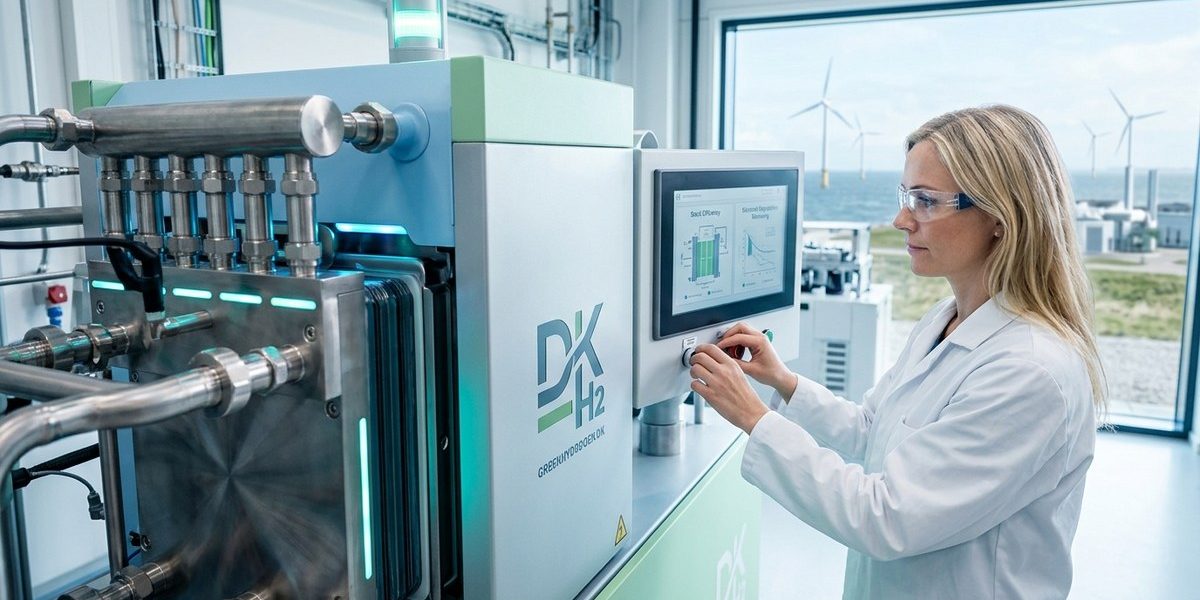
Danish electrolyser innovations in 2026 are setting new standards in green hydrogen technology. Denmark continues to lead the way with groundbreaking developments that make hydrogen production more efficient, cost-effective, and sustainable. As the world accelerates its transition to renewable energy, Danish companies, research institutions, and policymakers are pushing the boundaries of what’s possible in electrolysis technology. This year marks a significant turning point for Denmark’s hydrogen ambitions, with new breakthroughs promising to reshape the energy landscape both locally and globally.
In 2026, Danish electrolyser innovations are revolutionising green hydrogen production through advanced designs, increased efficiency, and strategic collaborations, positioning Denmark as a global leader in sustainable energy technology.
Pioneering Danish electrolyser technology in 2026
Denmark’s focus on green hydrogen in 2026 is driven by a combination of innovative electrolysis techniques, strategic government policies, and strong industry partnerships. The country’s commitment to reducing carbon emissions aligns with its ambition to become a global hub for clean energy solutions. Danish electrolyser projects now feature cutting-edge designs that enhance performance while reducing costs, making green hydrogen more accessible across sectors.
Recent advancements include the development of high-efficiency electrolyser stacks, integration with renewable sources like wind and solar, and modular systems that can be scaled to meet various energy needs. The Danish approach combines research excellence with practical deployment, positioning the nation at the forefront of the global hydrogen economy.
Key innovations in Danish electrolyser designs
In 2026, several Danish companies have introduced new electrolysis technologies that surpass previous benchmarks. These innovations focus on increasing energy efficiency, durability, and operational flexibility. Among the notable developments are:
- Solid oxide electrolysers (SOE) with higher temperature operation for improved efficiency.
- Proton exchange membrane (PEM) electrolyser systems that respond quickly to fluctuating renewable energy inputs.
- Alkaline electrolysers with enhanced electrode materials for longer lifespan and reduced maintenance.
These technological improvements enable Denmark to produce green hydrogen at lower costs, with higher output quality, and better compatibility with intermittent renewable energy sources.
Practical steps shaping Denmark’s electrolyser landscape
Understanding how Denmark is transforming its electrolyser capabilities involves several practical processes:
- Innovative R&D investments focusing on material science and system integration.
- Collaboration across sectors, bringing together industry, academia, and government to accelerate deployment.
- Pilot projects and demonstration plants testing new designs under real-world conditions.
Here is a quick overview of the typical process involved in deploying Danish electrolyser innovations:
| Technique | Common mistakes | Expert advice |
|---|---|---|
| High-temperature operation | Overlooking thermal management | Ensure precise temperature control for long-term durability |
| Modular system design | Underestimating scale-up challenges | Focus on scalability from the start |
| Integration with renewables | Ignoring grid stability | Incorporate smart control systems for efficient operation |
“The key to Denmark’s success lies in continuous innovation and close cooperation between technology providers and energy policymakers,” emphasises Dr. Lars Jensen, a leading researcher in Danish hydrogen projects.
Danish innovations driving the future of green hydrogen
Danish companies are pioneering several technological and strategic innovations in 2026 that are expected to influence global standards:
- Next-generation electrolyser stacks that push efficiency beyond 75 percent.
- Hybrid systems combining PEM and alkaline technologies for more adaptable applications.
- Digitalised control systems that optimise performance and lifespan.
These advances are complemented by Danish government initiatives that support research funding, infrastructure development, and international collaboration. The Danish Energy Agency’s recent policies encourage large-scale deployment of electrolyser systems, aiming to produce thousands of tonnes of green hydrogen annually.
Challenges and how Denmark overcomes them
Despite the significant progress, several challenges remain. These include high capital costs, materials durability, and integration with existing energy systems. Denmark addresses these issues through:
- Targeted subsidies and incentives for electrolyser projects.
- Research into durable electrode materials that withstand long-term operation.
- Development of smart grid integration techniques to balance supply and demand.
The Danish model demonstrates that coordinated efforts and strategic investments can effectively tackle these hurdles, paving the way for a sustainable hydrogen economy.
The broader impact of Danish electrolyser innovations in 2026
Danish electrolyser advancements transcend national borders. They influence global supply chains, drive down costs, and inspire similar innovations worldwide. The integration of these technologies into industries such as shipping, aviation, and heavy industry will accelerate decarbonisation efforts globally.
Moreover, Denmark’s experience offers valuable lessons for other nations looking to scale renewable hydrogen solutions. Its focus on modular designs, system integration, and policy support shows a clear path forward for sustainable energy transitions.
Collaborating for a sustainable energy future
Industry professionals, researchers, and policymakers can learn from Denmark’s approach by fostering international partnerships, investing in R&D, and prioritising scalable, efficient technology development. The Danish example underscores the critical role of innovation and cooperation in building a resilient hydrogen economy.
Danish electrolyser innovations 2026 shaping tomorrow’s energy landscape
The innovations emerging from Denmark this year are transforming how green hydrogen is produced, stored, and utilised. By embracing these advancements, energy stakeholders can accelerate the shift towards a low-carbon future. The combined effort of technology development, policy support, and industry collaboration will ensure that Denmark remains a leader in sustainable energy.
In conclusion, keeping an eye on Danish electrolyser innovations in 2026 provides valuable insights into the future of clean energy. These developments not only support Denmark’s climate goals but also inspire global efforts to harness green hydrogen’s full potential. As you consider your role in this evolving landscape, exploring these technological breakthroughs can help shape smarter, more sustainable energy strategies.
Moving forward with Danish electrolyser breakthroughs
The momentum in Danish electrolyser innovations highlights the importance of continuous research and strategic deployment. Whether you are a researcher, industry professional, or policymaker, understanding these advancements allows you to better contribute to a greener energy future. Embracing Denmark’s innovative spirit can lead to more efficient, affordable, and sustainable hydrogen solutions worldwide.