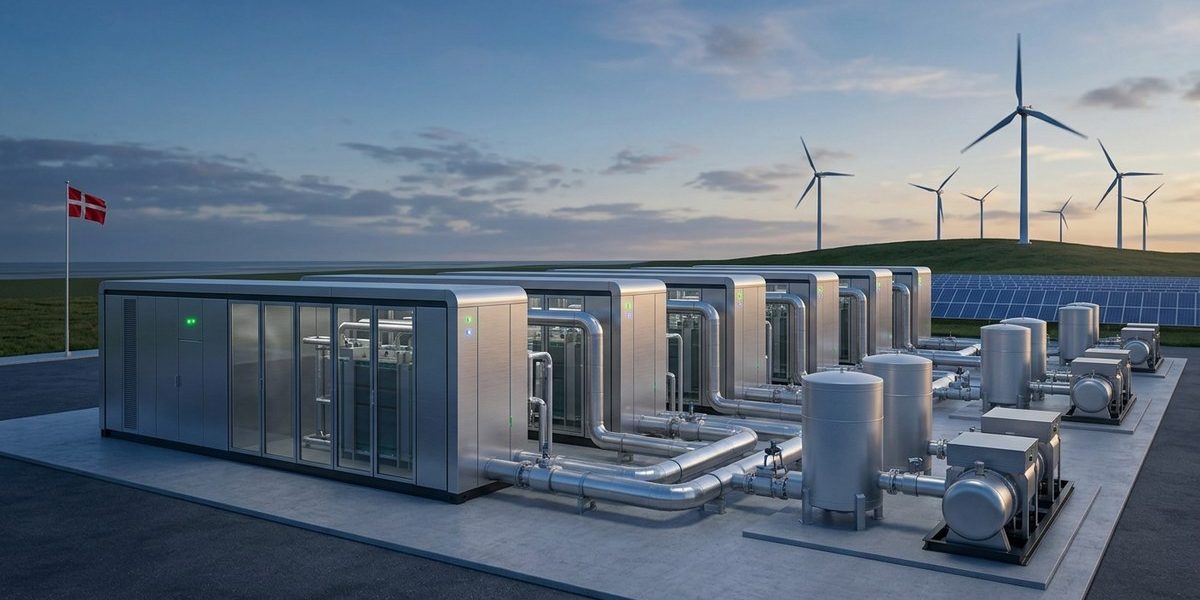
Green hydrogen is transforming Denmark’s energy landscape. As the nation accelerates towards a sustainable future, optimising electrolyser performance becomes critical. With abundant renewable resources and innovative technology, Denmark is poised to lead in green hydrogen production. This article provides practical insights into electrolyzer optimisation, helping industry professionals, researchers, and policymakers enhance efficiency and output in 2026.
Optimising electrolyzers in Denmark involves precise control of operating parameters, regular maintenance, and advanced monitoring. Implementing best practices and embracing innovative technologies can significantly increase green hydrogen output. By understanding technical intricacies and potential pitfalls, energy professionals can drive Denmark’s green hydrogen ambitions forward effectively in 2026.
Understanding the importance of electrolyzer optimisation in Denmark
Denmark’s commitment to reducing carbon emissions has made green hydrogen a pivotal part of its energy strategy. Electrolyzers, which split water into hydrogen and oxygen using electricity, are at the core of this shift. However, their efficiency hinges on various technical factors. Proper optimisation ensures maximum hydrogen yield with minimal energy consumption, crucial for economic viability and sustainability.
Optimising electrolyzer performance is not just about hardware. It involves a combination of operational practices, technological advancements, and strategic planning. As renewable energy sources like wind and solar become more integrated, balancing fluctuating power inputs with electrolyzer operation becomes essential.
Practical processes for enhancing electrolyzer performance
Achieving optimal performance requires a systematic approach. Here are three practical steps industry professionals can follow:
- Regular calibration and maintenance
Ensuring that electrolyzer components such as membranes, electrodes, and catalysts are functioning correctly is fundamental. Regular inspections prevent degradation and maintain efficiency. For example, monitoring membrane conductivity can reveal early signs of wear, allowing timely intervention.
- Advanced control systems and real-time monitoring
Implementing sophisticated control algorithms helps manage operational variables like temperature, pressure, and current density. Real-time data analytics enable quick adjustments, reducing energy waste. Denmark’s leading projects often incorporate AI-powered monitoring systems to optimise output continuously.
- Optimising operational parameters based on renewable energy availability
Aligning electrolyzer operation with periods of high renewable energy generation maximises efficiency. For example, running electrolyzers predominantly during wind gusts or sunny intervals reduces reliance on grid electricity, lowering costs and emissions.
Techniques for optimal electrolyzer operation versus common mistakes
| Techniques for optimisation | Common mistakes to avoid |
|---|---|
| Maintaining membrane hydration | Running electrolyzers at improper temperatures |
| Using variable renewable energy inputs effectively | Neglecting regular system diagnostics |
| Applying real-time control adjustments | Overlooking system degradation signs |
| Conducting thorough system calibration | Operating outside specified voltage and current limits |
Expert advice on electrolyzer management
“In Denmark, leveraging advanced control and maintenance practices is vital. As renewable inputs fluctuate, dynamic operation becomes essential. Regular health checks and adaptive controls can prevent costly downtimes and boost hydrogen yields,” advises Dr. Emma Sørensen, a leading researcher in green energy systems.
Key techniques for electrolyzer optimisation in Denmark
Achieving higher efficiency involves several core techniques:
- Temperature management: Operating electrolyzers within optimal temperature ranges (around 80-85°C for alkaline systems) improves ion conductivity and reduces energy losses.
- Pressure control: Maintaining appropriate pressure levels enhances electrolysis efficiency. Over-pressurising can cause mechanical stress, while under-pressurising reduces output.
- Current density optimisation: Balancing current density ensures maximum hydrogen production without accelerating electrode degradation. Typically, operating at 200-300 mA/cm² is recommended.
- Use of advanced catalysts: Incorporating durable catalysts like platinum or iridium enhances reaction kinetics, enabling lower energy consumption.
Mistakes that hinder electrolyzer performance
- Operating at excessive current densities leading to electrode wear
- Neglecting membrane hydration, causing increased resistance
- Running electrolyzers during periods of low renewable energy, raising costs
- Overlooking system diagnostics, risking undetected inefficiencies
Strategies to overcome common challenges
Denmark’s industry faces specific hurdles, such as fluctuating renewable energy supply and high maintenance costs. To address these:
- Invest in predictive maintenance tools that forecast component wear and prevent unexpected failures.
- Use energy storage solutions like batteries or thermal storage to smooth power variability.
- Develop grid integration strategies to ensure electrolyzer operation aligns with renewable peaks.
- Collaborate with research institutions to stay updated on cutting-edge catalyst and membrane technologies.
Future outlook and industry contributions
Denmark’s focus on electrolyzer optimisation will shape its green hydrogen trajectory. New initiatives aim to integrate AI-driven control systems, enhance membrane durability, and reduce costs through mass production. Industry professionals and policymakers can contribute by supporting research, investing in pilot projects, and creating favourable regulations.
How industry professionals can influence Denmark’s green hydrogen future
- Participate in knowledge-sharing platforms and pilot schemes
- Advocate for policies that incentivise efficient electrolyzer deployment
- Collaborate across sectors to develop integrated energy systems
- Adopt innovative technologies to stay ahead in performance optimisation
Emulating Denmark’s success for a sustainable energy future
Denmark’s approach to electrolyzer optimisation exemplifies the importance of combining technological innovation with strategic planning. Embracing these practices allows other regions to accelerate their green hydrogen ambitions. Continual learning, adapting, and investing in robust maintenance and control systems are key.
As the energy landscape evolves, staying informed about the latest developments ensures that electrolyzer systems remain efficient and reliable. Denmark’s journey highlights how technical insights and proactive management can unlock the full potential of green hydrogen.
Applying optimisation strategies in your projects
Practical implementation starts with understanding the specific conditions of your site. Use data-driven insights to fine-tune operating parameters. Regularly review system performance and integrate new technological advancements. Collaborate with research institutions to stay at the forefront of electrolyzer innovation.
By adopting a proactive approach, energy professionals can contribute to Denmark’s green hydrogen success story and help accelerate the global shift to sustainable energy solutions.
Remember: Consistent attention to operational details and embracing technological progress are the keys to unlocking maximum efficiency. Small improvements today can lead to significant gains in hydrogen production tomorrow.