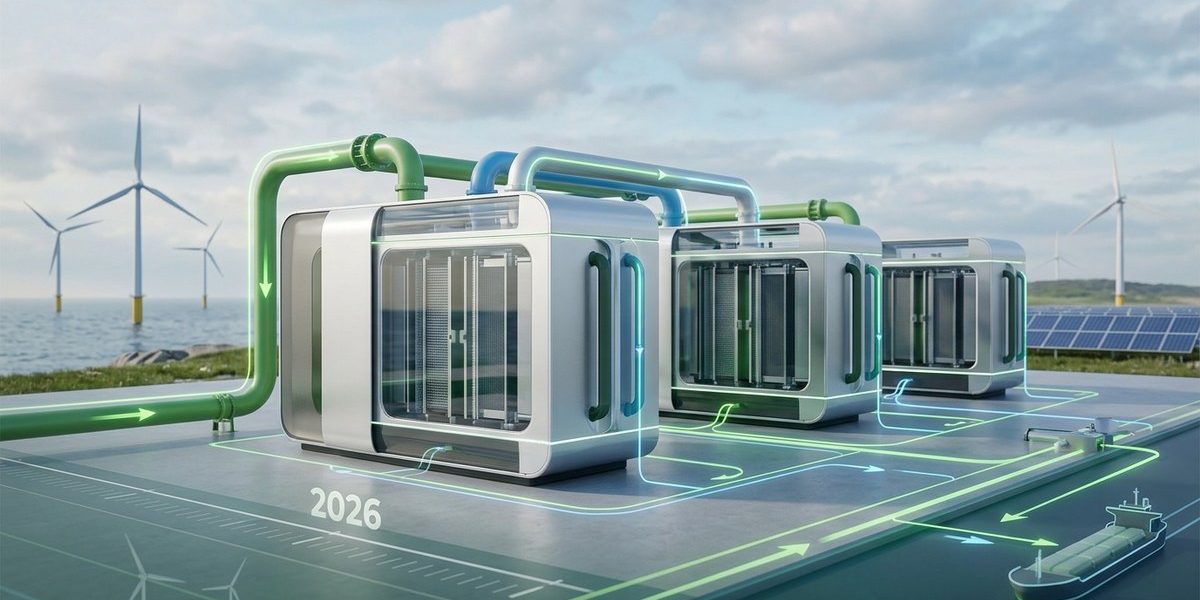
Denmark is set to redefine its energy landscape by 2026, positioning itself as a global leader in green hydrogen production. The country’s ambitious plans centre on harnessing renewable energy sources to power electrolysis systems that produce clean hydrogen. This shift not only aims to meet Denmark’s climate goals but also promises to transform the nation’s industry, transport, and power sectors. With innovative approaches and robust policies, Denmark is paving the way for a sustainable energy future that others will follow.
Denmark’s green hydrogen plans for 2026 focus on deploying advanced electrolyser technology, expanding infrastructure, and fostering policy support. These efforts aim to make Denmark a leading exporter and innovator in renewable hydrogen, supporting global decarbonisation goals.
Denmark’s Vision for Green Hydrogen and Renewable Energy
Denmark’s strategy for 2026 revolves around becoming a top exporter of green hydrogen. The country aims to utilise its abundant wind and solar resources to generate renewable electricity. This electricity will power large-scale electrolysers that produce hydrogen without emitting greenhouse gases. By integrating these systems into existing energy grids, Denmark plans to create a resilient, low-carbon energy network.
The Danish government emphasises that green hydrogen will play a vital role in sectors difficult to electrify, such as heavy industry and shipping. The vision is to develop a comprehensive hydrogen economy, linking production sites with ports, industrial hubs, and export terminals. This approach will help Denmark achieve its climate targets while creating new economic opportunities.
Key Components of Denmark’s Green Hydrogen Strategy
Electrolyser Technology and Innovation
Denmark is investing heavily in cutting-edge electrolyser designs. These systems convert renewable electricity into hydrogen through water electrolysis. The focus is on high-efficiency, durable, and scalable electrolysers that can operate continuously. Leading Danish companies and research institutions are developing advanced membrane and alkaline electrolysis systems that outperform earlier models.
Innovations include modular electrolysers, which allow flexible expansion, and heat recovery techniques to improve overall system efficiency. These technological advancements are crucial for reducing costs and increasing the competitiveness of green hydrogen.
Infrastructure Development and Interconnections
Building an extensive infrastructure network is central to Denmark’s 2026 plans. This includes establishing hydrogen production sites adjacent to renewable energy sources and creating pipelines for distribution. Ports such as Esbjerg and Copenhagen are becoming hubs for hydrogen logistics, facilitating both domestic use and exports.
Interconnection with neighbouring countries via cross-border pipelines and power grids will enable Denmark to import surplus renewable electricity and export hydrogen seamlessly. This interconnected approach enhances energy security and supports regional decarbonisation efforts.
Policy Framework and Public-Private Collaboration
Strong policy support underpins Denmark’s green hydrogen ambitions. The government has introduced incentives, subsidies, and regulations to accelerate deployment. Public-private partnerships are forming to fund large-scale projects, share risks, and leverage technological expertise.
These policies aim to create a stable investment environment and foster innovation. Denmark also collaborates with international partners to align standards and promote sustainable hydrogen markets globally.
Practical Steps in Building Denmark’s Green Hydrogen Infrastructure
- Identify Strategic Locations: Prioritise sites near renewable energy sources and existing ports for cost-effective production and distribution.
- Develop Modular Electrolyser Systems: Use scalable designs that can be expanded as demand grows or technology advances.
- Establish Cross-Border Energy Links: Invest in interconnections with neighbouring countries to optimise electricity flows and hydrogen exports.
Common pitfalls and best practices
| Technique | Mistake to Avoid |
|---|---|
| Overestimating capacity needs | Building too large electrolysers prematurely, leading to underutilisation. |
| Neglecting grid integration | Failing to coordinate with grid operators can cause delays and inefficiencies. |
| Underestimating costs | Not factoring in maintenance and operational expenses can skew project viability. |
Expert advice: “Focusing on flexible, modular electrolysis systems combined with strong policy support creates a resilient foundation for Denmark’s green hydrogen future,” advises Professor Emma Sørensen, renewable energy analyst.
Denmark’s Electrolyser Innovation and Industry Contributions
Denmark is at the forefront of developing next-generation electrolyser technology. Companies such as H2 Green Steel and Siemens Energy are collaborating on projects that push the boundaries of efficiency and durability. Denmark’s research institutions are pioneering new materials and system configurations to lower costs and improve performance.
The country’s industry is also exploring heat integration, where excess heat from electrolysis can be used for district heating or industrial processes. Such multi-purpose systems optimise resource use and minimise costs.
Emulating Denmark’s Green Energy Model
Other nations can learn from Denmark’s integrated approach to renewable energy and hydrogen infrastructure. Key lessons include the importance of early government engagement, fostering innovation through research partnerships, and designing flexible systems adaptable to future needs.
By following Denmark’s example, countries can accelerate their own green hydrogen initiatives, ultimately creating more sustainable and resilient energy systems.
Paving the Way for a Sustainable Hydrogen Era
Denmark’s 2026 plans mark a significant step toward a low-carbon future. The country’s focus on technological innovation, infrastructure development, and supportive policies creates a robust framework for success. As Denmark continues to refine its strategies, its influence on global renewable energy practices grows.
The journey involves continuous improvement, collaboration, and adaptation. By prioritising scalable solutions and fostering international partnerships, Denmark is setting a global standard for green hydrogen deployment.
Turning Ideas into Action for a Greener Future
Implementing Denmark’s green hydrogen vision requires practical steps and dedicated effort. Industry professionals, policymakers, and researchers can contribute by sharing knowledge, investing in innovative technologies, and supporting policy reforms. The goal is to build an energy system that is both environmentally sustainable and economically viable.
By fostering a collaborative environment and embracing technological advancements, Denmark is creating a blueprint that others can follow. The decade ahead will be critical in turning these plans into reality, shaping a cleaner, greener energy landscape for generations to come.