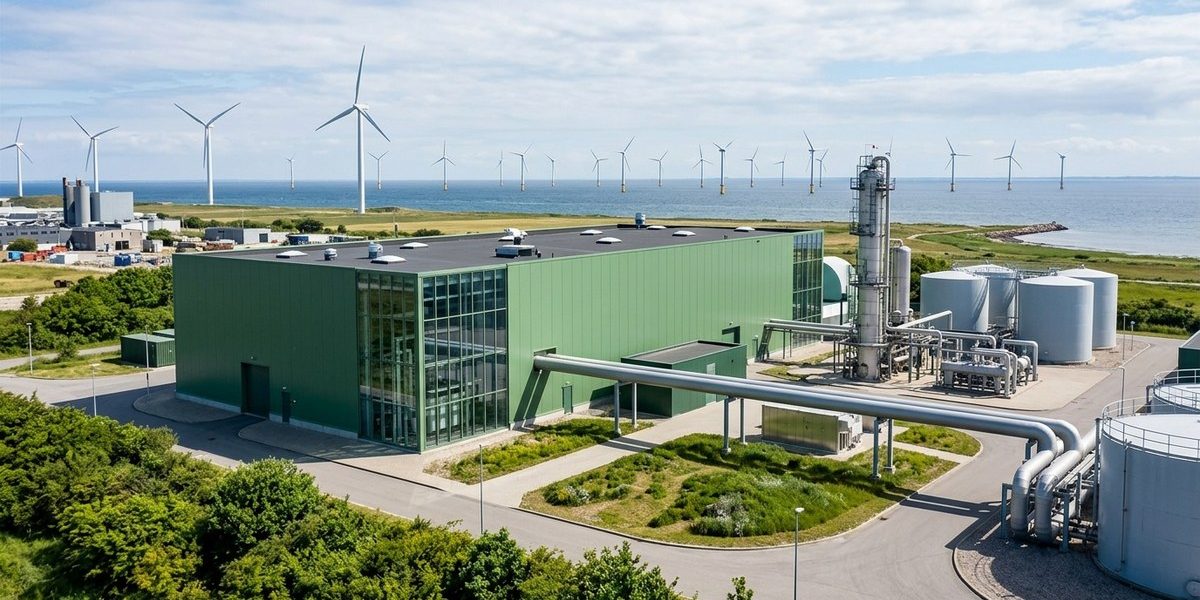
Power-to-Gas (PtG) technology is gaining momentum across Denmark as a vital piece of the country’s sustainable energy puzzle. By converting surplus renewable electricity into hydrogen or synthetic gases, Denmark can better balance its grid, reduce emissions, and create new industrial opportunities. This integration supports the country’s ambitious climate goals and positions Denmark as a leader in green energy innovation. Understanding how Power-to-Gas integration Denmark works can unlock pathways for industries, policymakers, and researchers to shape a cleaner future.
Power-to-Gas integration Denmark offers a practical way to utilize surplus renewable energy for green hydrogen production. This supports grid stability, reduces emissions, and fosters sustainable industry growth, making Denmark a global leader in renewable energy systems.
How Denmark is Leading with Power-to-Gas Solutions
Denmark has set high standards for renewable energy adoption, particularly through wind and solar power. Yet, integrating large amounts of variable renewable energy into the grid presents challenges. Power-to-Gas provides a flexible solution to these issues. It allows excess electricity to be turned into hydrogen, which can be stored or used in various sectors like transportation, industry, or heating.
The Danish government and industry stakeholders are investing heavily in PtG projects. These initiatives aim to demonstrate how surplus wind power can be transformed into green fuels, thereby supporting the country’s climate commitments. Denmark’s strategic focus on PtG aligns with its broader energy transition plan, emphasizing sector coupling and green hydrogen.
Practical Steps in Power-to-Gas Integration Denmark
- Identify surplus renewable electricity during periods of high wind or solar generation.
- Use electrolysis to convert excess electricity into hydrogen or synthetic gases.
- Store the produced gases in existing or dedicated storage facilities for future use or export.
This straightforward process offers multiple benefits, from reducing curtailment of renewable energy to creating new industrial value chains. It also provides grid balancing services, helping maintain stability despite the intermittent nature of renewable sources.
The Role of Electrolysis and Storage in Danish Power-to-Gas Systems
Electrolysis is the core technology behind PtG. Danish projects predominantly utilize Proton Exchange Membrane (PEM) and Alkaline electrolysers, each suited to different scales and operational needs. These devices split water into hydrogen and oxygen, powered by surplus renewable electricity.
Storage solutions are equally crucial. Denmark leverages underground salt caverns, tanks, and other storage methods to hold hydrogen. These storages act as buffers, enabling continuous supply even when renewable generation dips or demand spikes.
Techniques and common pitfalls
| Technique | Mistake to Avoid |
|---|---|
| Using outdated electrolysers | Not updating equipment can reduce efficiency and lifespan |
| Overlooking storage capacity | Insufficient storage can lead to curtailment or waste |
| Failing to integrate control systems | Lack of real-time management causes grid imbalance |
| Ignoring safety protocols | Hydrogen handling requires rigorous safety measures |
“Optimizing Power-to-Gas systems in Denmark hinges on balancing electrolyser capacity, storage, and grid demands. Proper planning ensures maximum utilization of surplus renewable energy while maintaining safety and efficiency,” advises energy researcher Dr. Lars Jensen.
Denmark’s Projects and Industry Applications
Several Danish projects exemplify the practical integration of PtG. The HyBalance project in Aalborg is a flagship initiative demonstrating how surplus wind power produces hydrogen for industrial use and transportation. Similarly, the Green Hydrogen Denmark initiative aims to build a nationwide network of hydrogen refueling stations.
Industries such as cement, chemical manufacturing, and heavy transport are starting to adopt green hydrogen generated through Power-to-Gas. This shift not only reduces carbon footprints but also creates new economic opportunities in the renewable sector.
Challenges and Opportunities in Danish Power-to-Gas Expansion
While Denmark leads in PtG deployment, challenges remain. These include high capital costs, regulatory frameworks, and the need for large-scale storage infrastructure. However, these hurdles are offset by significant opportunities.
Expanding Power-to-Gas can:
– Enhance grid stability during high renewable output
– Generate export revenues through green hydrogen trade
– Support Denmark’s climate targets and industrial competitiveness
Policymakers are developing supportive legislation and funding mechanisms to accelerate adoption. Industry collaborations ensure technological advancements and cost reductions.
Best Practices for Implementing Power-to-Gas in Denmark
- Engage stakeholders early to align project goals and operational standards.
- Invest in flexible electrolysis technology capable of ramping up and down efficiently.
- Prioritize safety and quality in gas handling and storage.
- Leverage digital control systems for real-time grid management and optimization.
- Align projects with national policies to access funding and regulatory support.
Techniques and Mistakes in Power-to-Gas Projects
| Technique | Mistake to Avoid |
|---|---|
| Proper site assessment | Underestimating local grid capacity or storage needs |
| Modular electrolysis units | Relying solely on large, inflexible systems |
| Integrating with smart grid controls | Ignoring real-time data can cause inefficiencies |
| Planning for scalability | Failing to design for future expansion |
Strategic Advice from Industry Experts
” Denmark’s success with Power-to-Gas relies on integrating renewable energy with flexible, scalable gas systems. It’s vital to focus on safety, innovation, and stakeholder collaboration,” emphasizes energy consultant Ingrid Rasmussen.
The Future of Power-to-Gas in Danish Industry
Danish industry is poised to benefit significantly from ongoing Power-to-Gas developments. As electrolysis costs decrease and storage technologies improve, green hydrogen will become more accessible and affordable. This will open doors for sectors like manufacturing, transportation, and heating to transition away from fossil fuels.
Moreover, Denmark’s close cooperation between government, academia, and industry creates a fertile environment for innovation. Pilot projects turn into scalable solutions, paving the way for a sustainable energy landscape.
Why Power-to-Gas Makes Sense for Denmark
As renewable energy becomes the backbone of Danish power, the need for effective storage and sector coupling grows. Power-to-Gas offers a versatile solution to turn surplus wind power into valuable resources. It helps balance the grid, reduce emissions, and foster economic growth in green technologies.
The Danish experience demonstrates that with commitment and smart planning, Power-to-Gas can accelerate the transition to a sustainable, resilient energy system.
Embracing the Danish Model for Sustainable Industry Growth
The path forward involves continuous innovation, policy support, and stakeholder cooperation. By adopting best practices and learning from pioneering projects, Denmark can unlock the full potential of Power-to-Gas integration.
For industry professionals and policymakers alike, the key lies in embracing these technologies as enablers of a greener future. Practical steps, combined with a collaborative mindset, will ensure Denmark’s leadership in renewable energy systems remains strong.
Ready to implement Power-to-Gas solutions? Start by assessing local renewable surpluses, exploring electrolysis options, and engaging with industry partners. Small steps today can lead to a cleaner, more sustainable tomorrow.