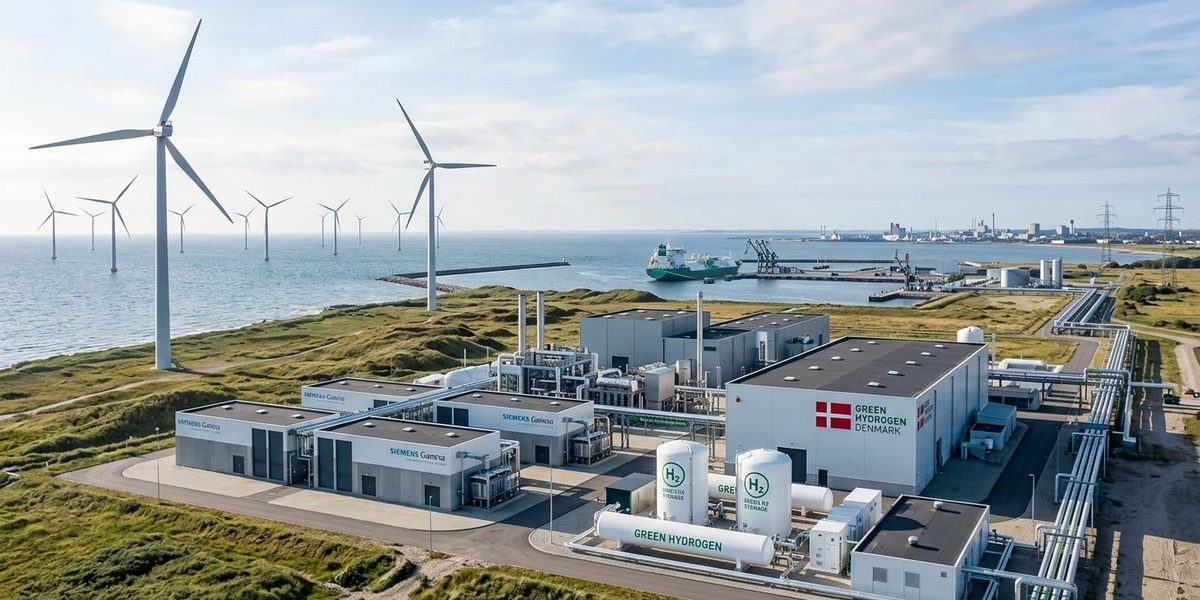
Denmark is making impressive strides in establishing a robust green hydrogen infrastructure. As the country aims to become a leader in renewable energy and decarbonisation, its investments and strategic initiatives position it at the forefront of the global green hydrogen movement. This progress not only benefits Denmark’s energy future but also offers valuable lessons for other nations seeking sustainable solutions.
Denmark is rapidly developing its green hydrogen infrastructure through ambitious projects, government support, and technological innovation. These efforts aim to make Denmark a regional leader in renewable energy and clean fuel production by 2026, fostering economic growth and environmental sustainability.
Denmark’s vision for green hydrogen infrastructure
Denmark’s approach to green hydrogen is driven by its commitment to reducing carbon emissions and transitioning to a sustainable energy system. The country’s long-term strategy involves creating a comprehensive infrastructure that connects renewable electricity, electrolysis plants, storage facilities, and end-user industries. This integrated system aims to produce, store, and distribute green hydrogen efficiently and at scale.
The Danish government has set clear targets to expand electrolysis capacity and increase green hydrogen consumption across sectors such as transportation, industry, and power generation. These targets align with Denmark’s broader climate goals, aiming for a significant reduction in greenhouse gas emissions by 2030 and climate neutrality by 2050.
Key components of Denmark’s green hydrogen infrastructure
Denmark’s green hydrogen infrastructure is built on several essential elements:
- Electrolyser plants: Large-scale electrolysers powered by offshore wind farms generate green hydrogen. Denmark is investing heavily in expanding these facilities to meet increasing demand.
- Renewable energy integration: Offshore wind is the backbone of Denmark’s renewable energy system. Its vast wind capacity provides the clean electricity necessary for electrolysis.
- Hydrogen storage: Advanced storage solutions ensure a steady supply of hydrogen regardless of fluctuations in renewable generation or demand.
- Distribution networks: Pipelines, transport trucks, and shipping routes are being developed to deliver hydrogen safely and efficiently to different regions and end-users.
- Industrial hubs: Strategic locations are designated as hydrogen hubs, where production, storage, and consumption are co-located for optimal efficiency.
How Denmark is scaling up its infrastructure
- Government support and funding: Denmark’s government allocates significant funds to hydrogen projects, incentivising private sector participation and research.
- Public-private partnerships: Collaboration between industry, academia and policymakers accelerates innovation and deployment.
- International cooperation: Denmark partners with neighbouring countries through initiatives like the North Sea Wind Power Hub, aiming to create an integrated European hydrogen network.
- Research and innovation: Denmark invests in developing advanced electrolysis technologies and storage solutions to minimise costs and improve efficiency.
Practical steps for developing green hydrogen infrastructure
For countries or companies looking to follow Denmark’s lead, here are essential steps:
- Assess renewable energy resources: Identify local wind, solar, or other renewable sources to power electrolysis.
- Develop a strategic plan: Set clear targets for capacity expansion, infrastructure development, and market integration.
- Secure funding and policy support: Establish favourable policies, subsidies, and incentives to attract investments.
- Build partnerships: Collaborate with industry, research institutions, and neighbouring regions to share knowledge and infrastructure.
- Invest in innovation: Focus on advancing electrolysis and storage technologies to lower costs and increase reliability.
Challenges and opportunities in Denmark’s green hydrogen journey
While Denmark’s progress is promising, several challenges need addressing:
| Techniques | Mistakes to Avoid |
|---|---|
| Large-scale electrolysis | Underestimating the energy requirements for electrolysis |
| Infrastructure integration | Overlooking the importance of grid capacity and stability |
| Market development | Failing to create a strong demand for hydrogen in industrial sectors |
| Policy consistency | Changing regulations that could delay projects |
“Denmark’s success hinges on aligning policy support, technological innovation, and industry commitment. A coordinated effort ensures the infrastructure will meet future energy needs.” — energy analyst
Opportunities abound for Denmark, including exporting green hydrogen to neighbouring countries, creating new jobs, and fostering international partnerships. The country’s strategic focus on innovation and sustainable development offers a blueprint for others aiming to build their own green hydrogen ecosystems.
How Denmark’s green hydrogen infrastructure benefits its economy and environment
Investments in green hydrogen have multiple positive impacts:
- Economic growth: New industries and jobs emerge around hydrogen production, storage, and distribution.
- Energy independence: Increased renewable capacity reduces reliance on imported fossil fuels.
- Climate goals: Green hydrogen helps Denmark meet its ambitious emissions reduction targets.
- Technological leadership: Denmark becomes a centre for hydrogen innovation, attracting global partnerships and investments.
Practical process for establishing a green hydrogen project in Denmark
- Conduct a feasibility study to evaluate renewable energy potential and infrastructure needs.
- Engage stakeholders including government agencies, industry players, and local communities.
- Secure funding through government grants, EU support, and private investments.
- Develop detailed engineering plans for electrolysis plants and distribution systems.
- Obtain necessary permits and ensure regulatory compliance.
- Implement construction and commissioning phases.
- Establish supply chains and market outlets for hydrogen.
- Monitor and optimise the system for efficiency and sustainability.
Looking ahead: the future of Denmark’s hydrogen landscape
By 2026, Denmark plans to have several large-scale projects operational, with a capacity to produce hundreds of thousands of tonnes of green hydrogen annually. Its focus on offshore wind integration, innovative storage solutions, and cross-border collaborations solidifies its role as a European leader in this field.
The country also aims to foster a vibrant market for hydrogen-powered vehicles, industrial processes, and power generation. With continued investments and policy support, Denmark’s green hydrogen infrastructure is poised to set a global example.
Final thoughts on Denmark’s hydrogen path
Denmark’s proactive approach exemplifies the potential of strategic planning combined with technological innovation. Its investments are not just about energy transition but also about creating a resilient, sustainable economy. For energy professionals and policymakers alike, Denmark’s journey offers valuable insights into building a green hydrogen future.
Implementing similar strategies can help your organisation or country unlock the benefits of hydrogen and accelerate the shift towards a cleaner, greener energy system. Now is the time to consider how you can participate in this exciting transition and contribute to a sustainable future.