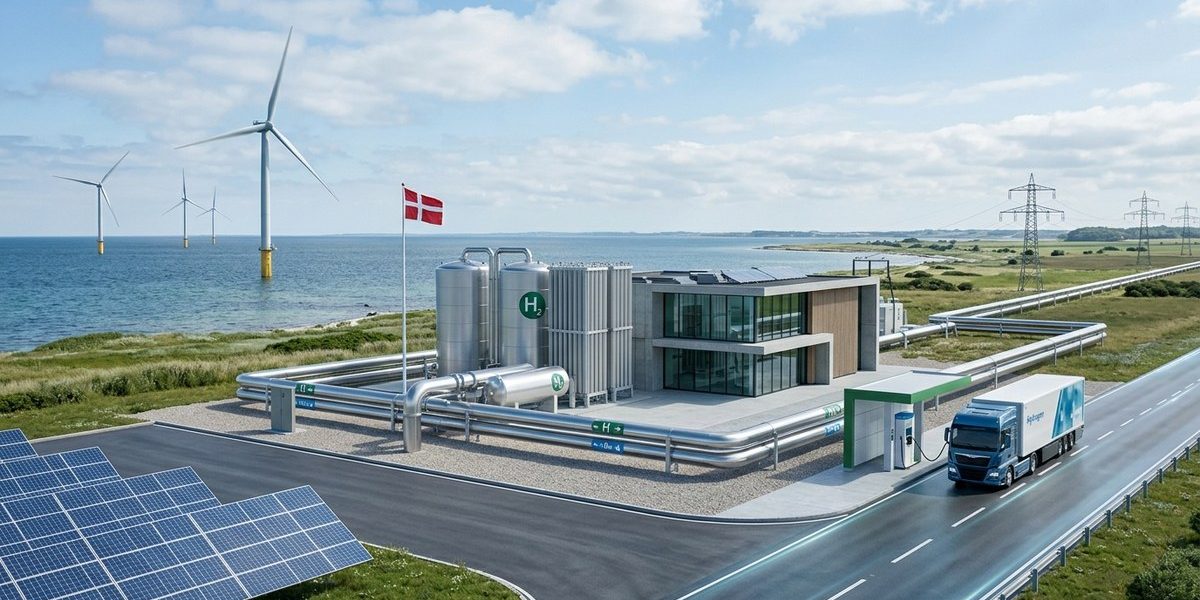
Denmark is making significant strides towards establishing a robust green hydrogen infrastructure by 2026. As a nation renowned for its wind energy and innovative energy policies, Denmark is positioning itself at the forefront of Europe’s green transition. Its strategic investments, cutting-edge technology, and collaborative projects aim to create a sustainable, interconnected hydrogen network that could serve as a model for other countries. Understanding Denmark’s approach offers valuable insights into the future of renewable energy and the role green hydrogen will play in Europe’s energy landscape.
Denmark is rapidly advancing its green hydrogen infrastructure through innovative projects and strategic policies, aiming for a fully operational system by 2026 that will boost renewable energy use and support Europe’s climate targets.
Denmark’s Vision for Green Hydrogen and Renewable Energy
Denmark’s ambition is to become a global leader in green hydrogen. The country’s extensive wind farms generate surplus renewable electricity, which is essential for producing green hydrogen via electrolysis. The government’s commitment to climate neutrality by 2050 drives investments in infrastructure and technology. Denmark’s approach focuses on integrating renewable sources with hydrogen production facilities, creating a circular energy system that reduces reliance on fossil fuels.
Key Components of Denmark’s Green Hydrogen Strategy
Electrolyser Technology and Innovation
Denmark is investing heavily in advanced electrolyser systems capable of converting surplus renewable electricity into hydrogen. These electrolyser units are designed for efficiency and scalability. The country’s focus on maximizing green hydrogen production with Danish electrolyser technologies ensures that capacity grows in tandem with renewable energy output.
Infrastructure Development and Interconnections
The backbone of Denmark’s green hydrogen aspirations involves building a comprehensive network of pipelines, storage facilities, and loading terminals. Strategic projects like the Danish Hydrogen Backbone aim to connect production sites with industrial hubs and export terminals. The integration with neighbouring countries enhances the potential for cross-border energy flows, fostering regional cooperation.
Policy Framework and Public-Private Collaboration
Government policies support private sector investment through incentives, subsidies, and regulatory frameworks. Public-private partnerships are vital for deploying large-scale electrolysis plants and establishing supply chains. Policies also incentivise the adoption of hydrogen in sectors such as transportation, industry, and power generation.
Practical Steps in Building Denmark’s Green Hydrogen Infrastructure
-
Assess Surplus Renewable Power
Identify areas with high wind energy potential and surplus electricity to feed into electrolysis plants. This ensures optimal utilisation of renewable sources. -
Develop Electrolyser Facilities
Invest in scalable electrolyser systems capable of producing large volumes of hydrogen. Focus on optimizing electrolyzer systems for green hydrogen production in Denmark for maximum efficiency. -
Construct a Transmission Network
Build pipelines and storage facilities that connect electrolyser sites with industrial consumers and export points. The network should allow flexibility and resilience.
Common Pitfalls and Best Practices
| Mistake | Technique to Avoid | Best Practice |
|---|---|---|
| Underestimating capacity needs | Over-provision electrolyser capacity | Conduct thorough demand analysis before scaling |
| Poor integration with renewable sources | Isolated systems | Synchronise hydrogen production with renewable output |
| Lack of regulatory clarity | Ambiguous policies | Establish clear legal frameworks and incentives |
“A key to Denmark’s success lies in aligning renewable energy growth with hydrogen infrastructure development. This synergy creates a sustainable and scalable model for the future,” advises energy analyst Dr. Emily Carter.
Denmark’s Electrolyser Innovation and Industry Contributions
Denmark leads in developing efficient electrolyser technologies. Local companies are pioneering solutions that improve conversion rates and reduce costs. These innovations are vital for meeting the 2026 target and beyond. The country’s focus on harnessing renewable energy to power Denmark’s green hydrogen future ensures that the infrastructure is both sustainable and economically viable.
The Danish government’s support extends to research initiatives and pilot projects, testing new electrolyser designs and integration techniques. These efforts help avoid common mistakes such as overestimating demand or neglecting system resilience.
Emulating Denmark’s Green Energy Model
Other nations can learn from Denmark’s holistic approach. Key lessons include:
- Invest early in renewable capacity and infrastructure.
- Foster strong partnerships between government, industry, and academia.
- Prioritise technology innovation and cost reduction.
- Maintain flexible, scalable systems adaptable to future needs.
Final Thoughts on Denmark’s Green Hydrogen Pathway
By 2026, Denmark aims to have an operational green hydrogen network that supports its climate goals and boosts economic growth. Its comprehensive strategy combines technology, policy, and collaboration. The country’s progress demonstrates how integrating renewable energy with hydrogen infrastructure can accelerate the energy transition.
For energy industry professionals, policymakers, and researchers, Denmark’s example highlights the importance of strategic planning and innovation. Embracing these principles can help other regions develop their own sustainable hydrogen systems.
Moving Towards a Sustainable Hydrogen Future
Building a resilient green hydrogen infrastructure in Denmark by 2026 is an ambitious but achievable goal. With continued investment, technological advancements, and cross-border cooperation, Denmark is shaping the future of renewable energy in Europe. It’s a model worth watching and learning from as the continent moves closer to a zero-emission economy.
To implement similar projects, start by evaluating renewable resource potentials in your region. Focus on scalable electrolyser solutions, develop interconnected infrastructure, and foster collaborative policies. The journey may be complex, but the rewards include a cleaner, more sustainable energy future.