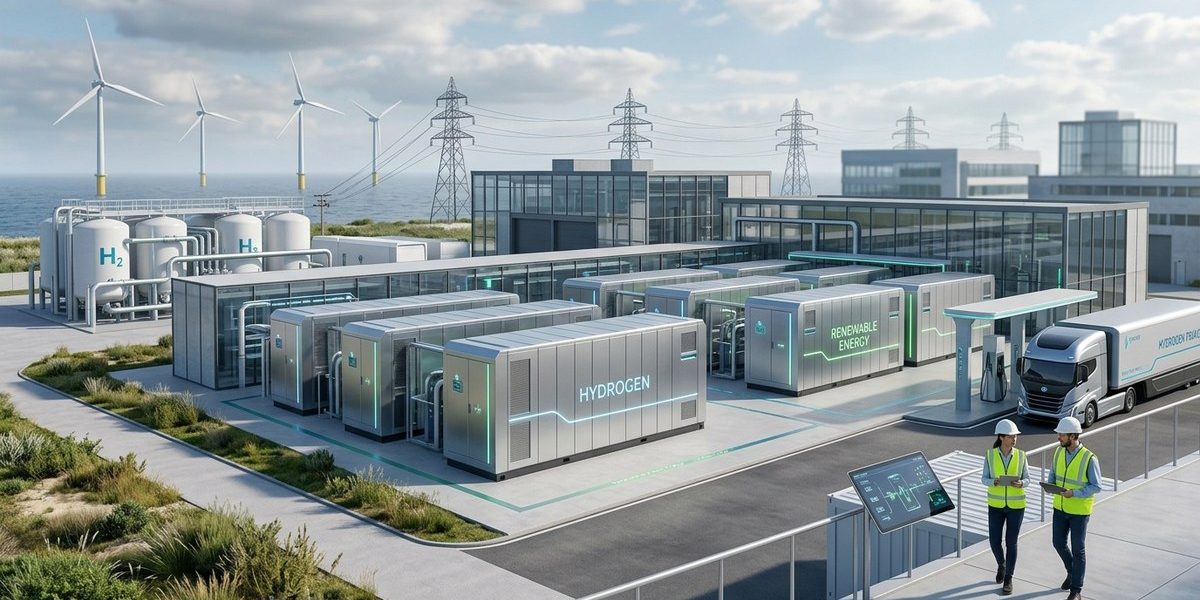
Green hydrogen is rapidly becoming a cornerstone of Denmark’s ambitious energy transition. As the country pushes towards decarbonisation, electrolyser technology stands out as a vital enabler. In 2026, Denmark is poised to lead global advancements with innovative electrolyser systems designed to optimise efficiency, reduce costs, and seamlessly integrate renewable energy sources. These developments will not only accelerate Denmark’s green hydrogen journey but also serve as a blueprint for other nations aiming for a sustainable energy future.
Denmark is advancing electrolyser technologies in 2026 to optimise green hydrogen production. Focus areas include efficiency improvements, cost reduction, and integration with renewable energy systems, making it a leader in sustainable energy innovation.
The Rise of Denmark’s Electrolyser Innovations in 2026
Denmark’s approach to developing electrolyser technologies in 2026 reflects a strategic blend of technological advancements, policy support, and industry collaboration. The country’s unique climate and energy landscape make it an ideal testing ground for cutting-edge solutions that can unlock the full potential of green hydrogen. As the global demand for clean fuels grows, Denmark’s pioneering work in electrolyser systems stands to influence worldwide standards and practices.
How Denmark Is Leading the Way in Electrolyser Development
Denmark’s push for electrolyser excellence involves multiple strategies. These include deploying modular systems for flexibility, investing in high-temperature electrolysis, and integrating electrolyser operations with wind and solar power. The country’s research institutions and industry players are working together to refine electrolysis processes, reduce costs, and achieve higher efficiencies.
Technological Progress Driving Change
Key innovations emerge from the development of advanced electrolyser types such as Proton Exchange Membrane (PEM), alkaline, and solid oxide systems. Each technology offers unique advantages suited to different applications. For example, PEM electrolyzers are gaining popularity in Danish projects due to their rapid response times and compatibility with intermittent renewable energy sources. Meanwhile, alkaline electrolyzers continue to provide cost-effective solutions for large-scale deployment.
Practical processes for enhancing electrolyser performance
- Prioritise system optimisation through real-time monitoring.
- Implement advanced control algorithms to adjust operation based on energy availability.
- Collaborate with renewable energy providers to synchronise production schedules.
Common mistakes to avoid
| Techniques | Mistakes that hinder performance |
|---|---|
| Regular maintenance practices | Ignoring early signs of wear can lead to costly downtime |
| Proper system integration | Poor matching of electrolyser capacity with renewable energy input |
| Use of high-quality components | Substandard parts increase failure rates and reduce lifespan |
Expert advice on electrolyser management
“Optimising electrolyser operations in Denmark requires a holistic approach. Regular maintenance, smart control systems, and close cooperation with renewable energy sources are essential to maximise efficiency,” advises Dr. Emma Larsen, a leading researcher in green hydrogen systems.
The Focus on Efficiency and Cost Reduction in 2026
Achieving economic viability remains a core challenge for electrolyser technology. Denmark’s solution involves developing more affordable, modular electrolyser units that can be scaled according to demand. These systems are designed to operate seamlessly with fluctuating renewable energy supplies, reducing waste and increasing overall productivity.
Emerging Trends in Danish Electrolyser Technologies
- Higher efficiency systems that minimise energy losses.
- Low-cost materials for electrodes and catalysts to bring down production costs.
- Hybrid systems integrating electrolysis with other energy storage technologies.
How industry professionals can influence Denmark’s hydrogen future
- Invest in research collaborations with Danish universities and industry.
- Pilot innovative electrolyser designs in local projects.
- Advocate for supportive policies that promote investment in electrolyser technology.
Building Resilience and Overcoming Challenges
Despite promising advancements, challenges remain. These include managing system durability, addressing supply chain issues for specialised components, and ensuring grid stability during high-frequency operation. Danish industry stakeholders are actively working to address these hurdles through innovation and policy support.
Strategies to overcome common challenges
- Develop robust maintenance protocols.
- Explore alternative supply chains for key electrolyser components.
- Invest in grid integration solutions to handle variable electricity input.
Denmark’s Contributions to a Sustainable Energy Ecosystem
Denmark’s electrolyser innovations are part of a broader ecosystem aimed at creating a circular, low-carbon energy system. These include expanding renewable generation capacity, developing green fuels for transport and industry, and fostering international collaborations. The country’s comprehensive approach ensures that electrolyser technology remains central to its energy strategy.
How industry professionals can shape the future
- Share best practices and lessons learned from pilot projects.
- Support policies that incentivise renewable-powered electrolysis.
- Engage with local communities and stakeholders to build acceptance and understanding.
Applying Danish Electrolyser Trends to Your Projects
For energy professionals interested in adopting these advanced technologies, focus on understanding the specific operational needs, assessing renewable energy availability, and selecting the appropriate electrolyser type. Denmark’s experience highlights the importance of flexibility, innovation, and collaboration in creating successful hydrogen projects.
| Technique | Mistake to avoid |
|---|---|
| System optimisation | Underestimating the importance of continuous monitoring |
| Modular design | Overlooking scalability potential |
| Renewable integration | Failing to match electrolyser capacity with energy supply patterns |
Insights for Industry Stakeholders
The Danish approach to electrolyser development in 2026 offers valuable lessons. Emphasising research, fostering partnerships, and prioritising technology innovation are key to unlocking the full potential of green hydrogen. This strategy will help create resilient, cost-effective solutions that support Denmark’s energy goals and beyond.
The Role of Policy and Collaboration in Driving Growth
Government policies providing funding, subsidies, and regulatory support underpin Denmark’s advancements. Cooperation among academia, industry, and government accelerates technology deployment and market acceptance. These collaborative models serve as a blueprint for other countries aiming to establish a robust green hydrogen sector.
A Bright Horizon for Danish Electrolyser Technologies
Looking ahead, Denmark’s continued investment in electrolyser research and development promises even greater efficiencies, lower costs, and wider application. As the country refines its systems and scales production, the global hydrogen economy will benefit from these innovations. The lessons learned here will inform international efforts to develop sustainable, hydrogen-based energy systems.
Harnessing Denmark’s Electrolyser Expertise for a Sustainable Future
In 2026, Denmark is setting the pace in electrolyser technology, transforming the green hydrogen landscape. The country’s focus on efficiency, cost reduction, and integration with renewable energy sources offers a practical blueprint for energy professionals worldwide. By adopting these innovations, you can help accelerate the global shift towards a cleaner, more resilient energy future.
Whether you are a researcher, policymaker, or industry leader, Denmark’s journey demonstrates how targeted investment and collaborative innovation can unlock the immense potential of green hydrogen. Embracing these developments can position your projects at the forefront of sustainable energy solutions for years to come.