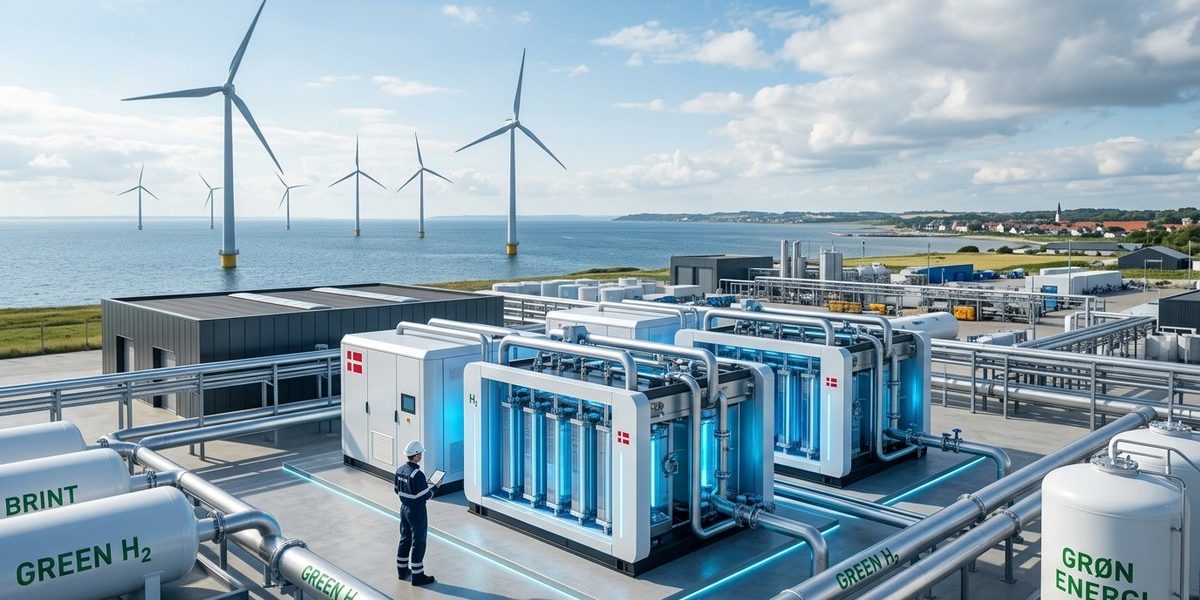
Green hydrogen is rapidly becoming a cornerstone of the global energy transition, and Denmark stands at the forefront of this movement. Its pioneering electrolyser innovations in 2026 are revolutionising how green hydrogen is produced, stored, and utilised. With a focus on technological breakthroughs and strategic infrastructure development, Denmark aims to lead the charge towards a sustainable, decarbonised future. This article explores the latest advancements in Danish electrolyser technology and how they are shaping the future of green hydrogen in 2026.
Denmark’s innovative electrolyser developments in 2026 are setting new standards in green hydrogen production. These advancements enhance efficiency, reduce costs, and strengthen Denmark’s role as a leader in sustainable energy, paving the way for widespread adoption and industry transformation.
Denmark’s push for green hydrogen and the role of electrolyser innovation
Denmark’s commitment to renewable energy is well-known, with wind power leading the way. Now, the country is leveraging this expertise to advance green hydrogen technology through cutting-edge electrolyser innovations. In 2026, Danish companies and research institutions are pushing boundaries, creating more efficient, durable, and scalable electrolyser systems. These innovations are critical for meeting Denmark’s ambitious climate goals and for establishing a resilient hydrogen economy.
The latest Danish electrolyser innovations in 2026
Danish electrolyser technology has made significant strides this year. From new materials to smarter system designs, Denmark is setting trends that others in the sector are eager to follow. Key innovations include:
- Enhanced electrode materials that improve efficiency and lifespan
- Modular electrolyser designs allowing easier scaling and maintenance
- Integration with renewable energy sources to optimise efficiency during variable wind and solar conditions
- Advanced control software for real-time optimisation and fault detection
These developments are closely linked to Denmark’s broader strategy of integrating green hydrogen into industrial processes, transportation, and energy storage. The country’s focus on innovation ensures that electrolyser systems are not only more effective but also cost-competitive.
Practical steps in Danish electrolyser development
Implementing advanced electrolyser systems in Denmark involves a series of strategic actions. Here are three practical steps that underpin their success:
- Invest in research and development to continually refine electrode materials and system design.
- Forge strong collaborations between academia, industry, and government to accelerate deployment.
- Prioritise system integration with renewable energy sources for efficient and sustainable hydrogen production.
For organisations aiming to replicate Denmark’s success, understanding these steps is essential. They form the foundation for building a resilient green hydrogen infrastructure.
Key techniques driving Danish electrolyser breakthroughs
Danish innovations are characterised by specific technical approaches that maximise output and durability. Techniques include:
| Technique | Benefit | Common Mistake |
|---|---|---|
| Use of durable, low-cost electrode materials | Increased lifespan and reduced costs | Overlooking material compatibility with water electrolysis conditions |
| Modular system design | Scalability and easier maintenance | Underestimating the importance of standardised components |
| Real-time system monitoring | Improved reliability and fault detection | Neglecting the need for sophisticated control algorithms |
Experts highlight the importance of integrating electrolysis systems seamlessly with renewable energy sources. As one Danish researcher notes, “Optimising the interface between wind turbines and electrolyser units is key to unlocking full potential.”
Challenges and how Denmark overcomes them
Despite the promising innovations, several hurdles remain. Cost reduction, material longevity, and grid integration are ongoing challenges. Denmark addresses these through:
- Targeted government funding for research and pilot projects
- Partnerships with industry leaders to commercialise new technologies
- Policy frameworks that incentivise green hydrogen adoption
The country’s proactive approach ensures that these hurdles are tackled with strategic solutions, fostering a vibrant innovation ecosystem.
Denmark’s influence on global green hydrogen development
Danish electrolyser advancements are not confined within national borders. They influence international standards, especially across Europe. Denmark’s leadership inspires other nations to adopt similar innovations, accelerating global decarbonisation efforts. The country’s focus on scalable, efficient systems makes it a model for sustainable hydrogen production worldwide.
Pathways to a sustainable hydrogen future
Building on its technological leadership, Denmark is developing comprehensive hydrogen strategies that encompass infrastructure, market creation, and policy support. This systemic approach ensures that electrolyser innovations translate into real-world impact, including:
- Large-scale green hydrogen plants
- Hydrogen-powered transport networks
- Industrial decarbonisation projects
By aligning technological progress with strategic planning, Denmark paves the way for a sustainable energy landscape.
Collaborating for a low-carbon energy system
Collaboration remains vital. Danish projects often involve international partners, fostering knowledge exchange and joint innovation. Policymakers and industry professionals can benefit from Denmark’s experience by engaging in cross-border initiatives and adopting best practices. This collaborative spirit accelerates the deployment of electrolyser technology and green hydrogen infrastructure globally.
Advancing Denmark’s electrolyte innovations in 2026
Danish electrolyser breakthroughs are shaping the sector’s future. The country’s focus on innovation and sustainability positions it to meet its climate commitments while supporting global efforts. Moving forward, continuous investment and international cooperation will be essential to sustain this momentum.
Embracing the Danish model for renewable energy integration
Denmark’s success demonstrates how integrating renewable energy with advanced electrolysis systems can achieve significant emission reductions. By adopting similar strategies, other nations can accelerate their transition towards clean energy. The Danish approach underscores the importance of innovation, collaboration, and strategic planning in realising a low-carbon future.
A practical guide to harnessing Danish electrolyser advancements
For industry professionals and policymakers looking to adopt Danish electrolyser technologies, consider these steps:
- Assess current infrastructure and identify integration points with renewable energy sources.
- Engage with Danish research institutions or technology providers to understand latest innovations.
- Implement modular and scalable electrolyser systems to adapt to future growth.
- Prioritise system reliability through advanced control and monitoring solutions.
- Align policies and incentives with technological developments to maximise deployment.
Final thoughts on shaping the future of green hydrogen in 2026
Denmark’s electrolyser innovations in 2026 exemplify how technological ingenuity and strategic collaboration can transform the energy landscape. By continuously refining systems and fostering international partnerships, Denmark is setting the stage for a resilient, sustainable hydrogen economy. Industry professionals and policymakers should view these advancements as a blueprint for successful green energy initiatives worldwide.
Taking the next step towards a hydrogen-powered future
The journey to a sustainable energy future depends on embracing innovative solutions like Denmark’s cutting-edge electrolyser technology. By staying informed and investing in strategic development, stakeholders can contribute to a cleaner, more resilient energy system. The advancements seen in Denmark serve as a compelling reminder that progress is within reach when technology and vision align.