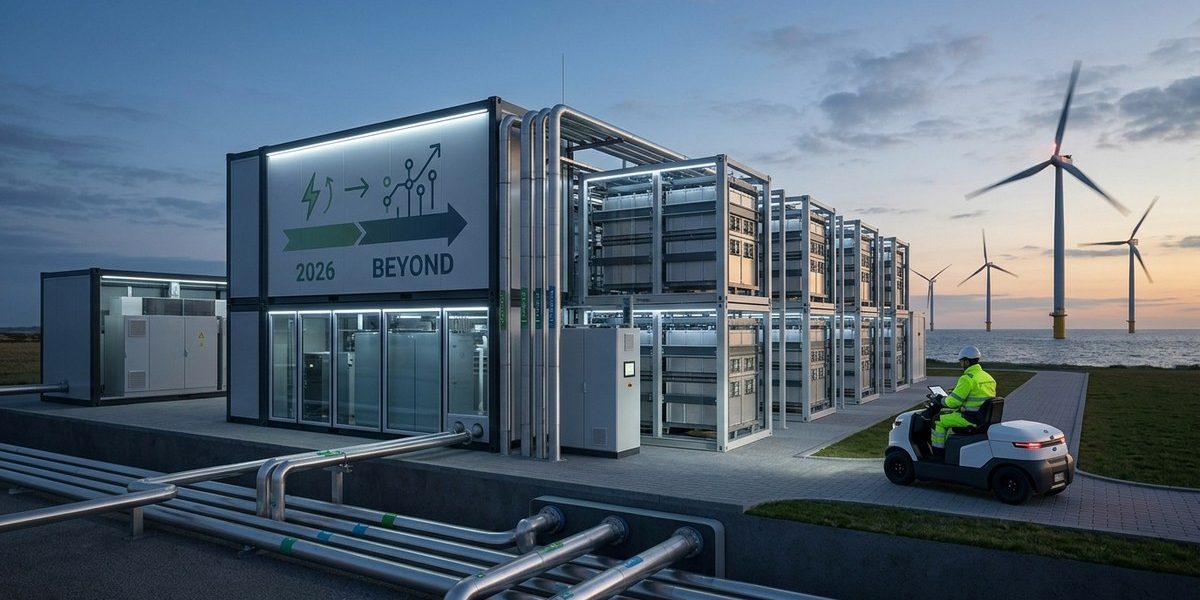
Denmark is positioning itself as a global leader in green hydrogen development, with ambitious plans to expand its electrolyser infrastructure by 2026. As the country accelerates its transition to renewable energy, building a robust and future-proof hydrogen ecosystem is critical. The integration of advanced electrolysis technology, strategic infrastructure deployment, and supportive policies are central to Denmark’s vision for a sustainable energy future. This article explores the key elements driving Denmark’s electrolyser infrastructure growth and how industry professionals can contribute to shaping this dynamic landscape.
Denmark’s electrolyser infrastructure in 2026 is set to revolutionise green hydrogen production. Strategic planning, technological innovation, and collaboration are vital for a resilient and efficient energy system that supports Denmark’s renewable ambitions. Industry stakeholders must stay informed and adaptable to contribute effectively to this transformative journey.
The strategic importance of Denmark’s hydrogen vision
Denmark’s commitment to achieving climate neutrality by 2050 hinges significantly on its ability to develop a comprehensive green hydrogen ecosystem. Electrolysers are at the heart of this strategy, enabling the conversion of excess renewable electricity into hydrogen. This hydrogen can then be stored, transported, and utilised across various sectors, including industry, transportation, and power generation. By 2026, Denmark aims to double its electrolyser capacity, supporting its broader goals of energy security and decarbonisation.
The country’s proactive approach is underpinned by a combination of innovative policies, technological advancements, and industry collaborations. Denmark’s focus is on creating a flexible, scalable infrastructure that can adapt to future demands and integrate seamlessly with other renewable energy sources. This coordinated effort aims to position Denmark as a global benchmark in green hydrogen deployment.
Key components of Denmark’s electrolyser infrastructure plan
Electrolyser technology and innovation
Denmark is investing heavily in cutting-edge electrolyser technology. Proton Exchange Membrane (PEM) and Alkaline electrolysers dominate current developments, with a growing interest in Solid Oxide Electrolyser Cells (SOECs) for higher efficiency and durability. Innovations are focused on reducing costs, increasing output, and improving performance under varying grid conditions.
Infrastructure development and interconnections
Building a reliable hydrogen network involves establishing multiple large-scale electrolysis plants strategically located close to renewable energy sources and industrial hubs. Interconnection with neighbouring countries via cross-border pipelines and grid links enhances flexibility and resilience. Denmark is also exploring the integration of power-to-gas systems to optimise renewable energy utilisation.
Policy framework and public-private collaboration
Supportive policies, including subsidies, green certification schemes, and streamlined permitting processes, are vital. Denmark’s government actively collaborates with private companies, research institutions, and international partners to accelerate infrastructure deployment. This collaborative approach ensures technology transfer, funding, and knowledge sharing.
Practical steps for expanding Denmark’s electrolyser capacity
- Assess renewable energy availability: Identify optimal sites where wind and solar resources are abundant. Integrating electrolysers with renewable projects maximises efficiency and economic viability.
- Design scalable and modular systems: Use flexible electrolyser modules that can be expanded over time. Modular designs facilitate phased development and reduce upfront costs.
- Establish strong grid and hydrogen transport links: Develop pipelines and storage solutions to handle hydrogen distribution and storage efficiently. Ensuring connectivity reduces bottlenecks and enhances system resilience.
Common pitfalls and how to avoid them
| Techniques | Common Mistakes |
|---|---|
| Proper site assessment | Underestimating renewable resource variability |
| Modular electrolyser design | Overbuilding capacity before demand is clear |
| Strategic interconnection | Neglecting future scalability and flexibility |
Industry experts emphasise that continuous research and adaptation are essential. Staying ahead of technological trends and regulatory changes ensures the infrastructure remains resilient and cost-effective.
Techniques and mistakes in electrolyser deployment
| Technique | Mistake to avoid |
|---|---|
| Prioritising high-capacity electrolysers | Ignoring operational flexibility |
| Incorporating energy storage | Overlooking maintenance and lifespan issues |
| Engaging local communities | Neglecting social acceptance and stakeholder engagement |
Denmark’s industry innovations and contributions
Denmark’s electrolyser projects are characterised by pioneering technical solutions and industry collaborations. Companies like Ørsted, Siemens, and Haldor Topsoe are at the forefront, developing innovative electrolysis systems tailored for the Danish environment. These advancements not only support domestic needs but also position Denmark as a centre of excellence in green hydrogen technology.
The country’s focus on reducing costs and improving efficiency is evident in ongoing pilot projects and large-scale deployments. These initiatives lay the groundwork for widespread industrial adoption, including green ammonia and methanol production, which are crucial for decarbonising heavy industries.
Embracing Denmark’s model for a sustainable energy ecosystem
Danish policies and industry practices serve as a blueprint for other nations seeking to build resilient and sustainable hydrogen infrastructure. Key lessons include the importance of early investment, fostering public-private partnerships, and prioritising technological innovation.
Industry professionals can contribute by staying informed about emerging trends, engaging in collaborative research, and advocating for supportive policies. Applying these principles ensures that Denmark’s electrolyser infrastructure remains adaptable and efficient well beyond 2026.
Applying Danish insights to your projects
- Leverage Denmark’s experience with integrating electrolysers into existing grids.
- Adopt modular electrolyser systems for phased capacity expansion.
- Focus on developing cross-border infrastructure to enhance flexibility.
- Stay updated on innovations in electrolyser materials and designs.
- Engage with policymakers to support favourable regulatory frameworks.
Overcoming challenges to a green hydrogen future
Building Denmark’s electrolyser infrastructure involves navigating technical, financial, and regulatory hurdles. Challenges include high capital costs, grid integration issues, and securing long-term demand commitments. Addressing these requires strategic planning, continued innovation, and stakeholder engagement.
Strategies for resilience
- Conduct comprehensive site and resource assessments.
- Foster collaborations between industry, academia, and government.
- Invest in research to improve electrolyser durability and performance.
- Promote policies that incentivise green hydrogen production and use.
Denmark’s contribution to a sustainable energy ecosystem
Denmark’s approach demonstrates that a coordinated, multi-sector effort can accelerate green hydrogen adoption. The country’s infrastructure serves as a model for integrating renewable energy, advanced electrolysis, and transport systems effectively.
Industry professionals can learn from Denmark’s experience by adopting a holistic view. Combining technological innovation, supportive policies, and active stakeholder participation maximises the impact of hydrogen projects.
Your role in Denmark’s hydrogen journey
Active participation from industry professionals, policymakers, and researchers will be vital to realise Denmark’s 2026 vision. Whether by innovating electrolyser technology, developing infrastructure, or shaping policy, each contribution matters.
Staying informed about ongoing projects and emerging trends positions you to influence Denmark’s hydrogen future positively.
A resilient path forward for Denmark’s hydrogen ambitions
Denmark’s dedication to expanding electrolyser infrastructure by 2026 sets the stage for a sustainable, low-carbon energy landscape. As the country advances its technical capabilities and infrastructure, it offers valuable lessons and opportunities for global partners.
Encouraging innovation, fostering collaboration, and maintaining a clear strategic focus will ensure Denmark’s electrolyser ecosystem remains adaptable and efficient. Supporting this journey helps secure a cleaner, greener future that benefits industry, communities, and the environment alike.