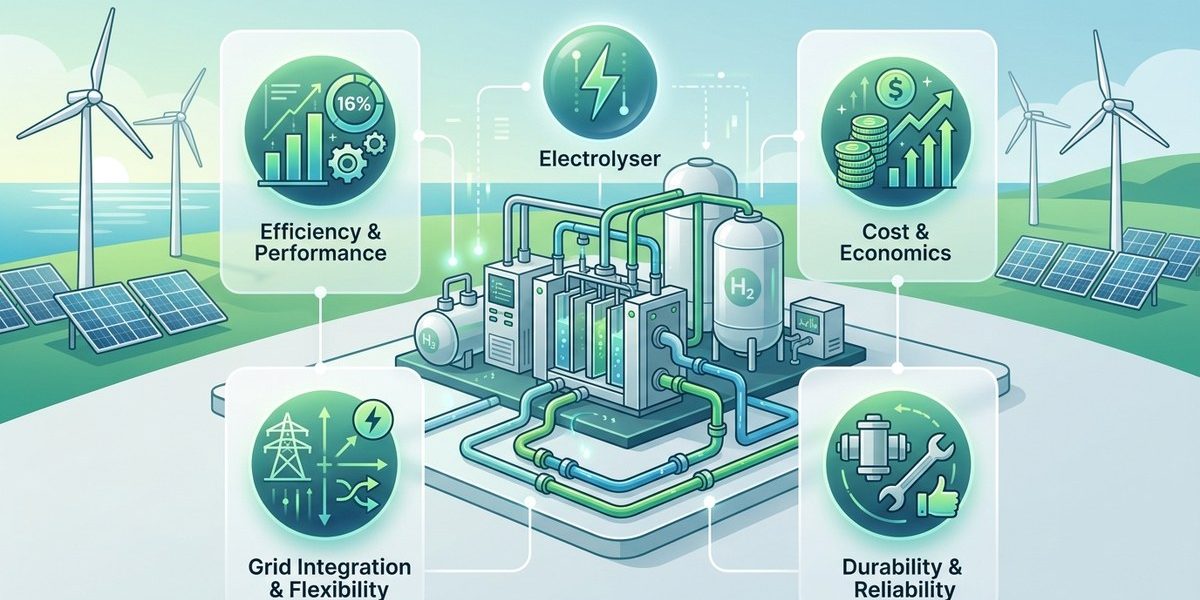
Denmark is making remarkable strides in its green energy journey, with green hydrogen emerging as a vital component. As the country aims to become entirely independent of fossil fuels by 2050, implementing effective electrolysis systems is crucial. These systems convert renewable electricity into hydrogen, powering industries, transportation, and energy storage. Understanding the nuances of electrolysis technology and its application in Denmark’s unique renewable landscape can help industry professionals, policymakers, and researchers drive this transformation efficiently.
Choosing the right electrolysis systems in Denmark’s renewable sector requires assessing capacity, efficiency, sustainability, and grid integration. Tailoring solutions to local conditions maximises green hydrogen output and supports the country’s ambitious energy goals in 2026.
Understanding Denmark’s renewable energy landscape and its influence on electrolysis systems
Denmark’s renewable energy sector is characterised by a high share of wind power, complemented by solar and biomass projects. The country’s favourable geographical position allows for substantial offshore and onshore wind capacities. As of 2026, the challenge lies in matching the intermittent nature of renewables with stable hydrogen production. Electrolysis systems must be designed to optimise this synergy, ensuring efficient utilisation of available renewable energy while maintaining economic viability.
The growth of renewable generation capacity means that electrolysers can operate during periods of excess electricity. This surplus is often variable, requiring flexible and adaptable systems. Denmark’s commitment to integrating these technologies into its energy system has led to innovative approaches in electrolysis design, operation, and grid interaction.
Key factors to consider when selecting electrolysis systems in Denmark
Selecting the appropriate electrolysis technology in Denmark involves multiple technical and contextual considerations. Here are the main aspects industry professionals should evaluate:
- Capacity and scalability
- Efficiency and energy consumption
- Compatibility with renewable sources
- Grid integration and flexibility
- Durability and operational lifespan
- Cost of installation and maintenance
- Environmental impact and sustainability credentials
1. Capacity and scalability
Danish projects range from small pilot plants to large-scale commercial electrolysers. Capacity planning should align with local renewable generation potential and hydrogen demand forecasts. For instance, larger electrolyser capacities, such as those exceeding 100 MW, are more suited for regions with abundant wind energy. Modular systems provide flexibility, allowing gradual expansion as renewable capacity increases.
2. Efficiency and energy consumption
Electrolyser efficiency determines how much renewable electricity is converted into usable hydrogen. Higher efficiencies reduce operational costs and minimise energy waste. Technologies like proton exchange membrane (PEM) and alkaline electrolysers each offer different efficiency profiles. PEM electrolysers often deliver higher efficiencies but can be more expensive, while alkaline systems are more cost-effective for larger capacities.
3. Compatibility with renewable sources
Matching the electrolysis system to renewable energy profiles is vital. Danish wind farms generate variable power, so electrolysers need to operate flexibly. Systems capable of rapid start-stop cycles or variable operation optimise utilisation during periods of surplus energy.
4. Grid integration and flexibility
Electrolysis can support grid stability by absorbing excess electricity. Integrating electrolysers with grid management tools enhances responsiveness and reduces curtailment. Advanced control systems ensure electrolysers operate efficiently without destabilising the grid.
5. Durability and operational lifespan
Given Denmark’s commitment to sustainability, selecting durable systems reduces lifecycle costs. Electrolyser components must withstand fluctuating operation cycles and harsh weather conditions, especially offshore installations.
6. Cost considerations
Initial investment, operational costs, and maintenance impact project viability. Advances in manufacturing and supply chains are driving down costs, but careful financial modelling remains essential. Implementing optimised maintenance schedules prolongs system lifespan.
7. Environmental and sustainability credentials
Electrolysis systems should meet strict environmental standards. Using renewable energy sources and producing green hydrogen aligns with Denmark’s climate commitments and enhances project credibility.
Practical steps for deploying electrolysis systems in Denmark
- Assess renewable energy availability: Map local wind and solar capacity, forecast generation, and identify surplus periods.
- Define project scope and capacity: Determine hydrogen production targets based on industry needs and renewable potential.
- Select suitable electrolysis technology: Evaluate efficiency, scalability, and compatibility with renewable sources.
- Design flexible operation protocols: Incorporate grid support functions and adaptive controls for variable renewable input.
- Plan for infrastructure and integration: Ensure grid connection, water supply, and infrastructure support sustainable operation.
- Analyse economic feasibility: Model costs, subsidies, and market conditions to optimise investment decisions.
- Implement monitoring and maintenance: Use data-driven approaches to maximise uptime and lifespan.
Common pitfalls and how to avoid them
| Mistake | Explanation | How to avoid |
|---|---|---|
| Overestimating capacity | Planning for too much hydrogen production without sufficient renewable supply can lead to underutilised systems. | Carefully analyse renewable forecasts and demand projections. |
| Ignoring grid constraints | Overloading the grid during peak renewable periods can cause instability. | Integrate electrolysers with smart grid management tools. |
| Underestimating maintenance costs | Neglecting system upkeep can reduce lifespan and increase operational costs. | Include comprehensive maintenance planning in project budgets. |
| Selecting outdated technology | Using older electrolysis methods may result in lower efficiency and higher costs. | Focus on the latest, most efficient systems suited for renewable integration. |
“Flexibility is key in Denmark’s renewable energy landscape. Systems that can adapt to fluctuating power inputs optimise both economic and environmental benefits.”
Enhancing Denmark’s green hydrogen future with tailored electrolysis solutions
As Denmark continues to lead in renewable energy deployment, the role of well-chosen electrolysis systems becomes more critical. A customised approach, considering local renewable profiles, grid capacity, and future scalability, ensures hydrogen production remains sustainable and cost-effective. The country’s ambitious targets depend on integrating innovative electrolysis technologies that support the green transition seamlessly.
A practical outlook for industry professionals and policymakers
Implementing the right electrolysis systems requires a strategic combination of technical insight and contextual understanding. Emphasising flexibility, efficiency, and durability in system selection will maximise the benefits of Denmark’s renewable potential. Collaborating with technology providers, leveraging government incentives, and staying updated on industry advancements can accelerate progress.
By focusing on these core considerations, stakeholders can develop resilient, efficient, and sustainable electrolysis solutions that power Denmark’s green hydrogen ambitions well into 2026 and beyond.
Final thoughts on powering Denmark’s green energy transition
Choosing the most suitable electrolysis systems in Denmark’s renewable sector isn’t just about technology. It’s about aligning with the country’s climate goals, ensuring economic viability, and supporting a resilient energy infrastructure. Carefully weighing capacity, efficiency, and grid integration paves the way for a cleaner, sustainable future. Industry professionals and policymakers should continue to innovate and adapt, making the most of Denmark’s abundant renewable resources to produce green hydrogen that fuels the nation’s growth and environmental commitments.