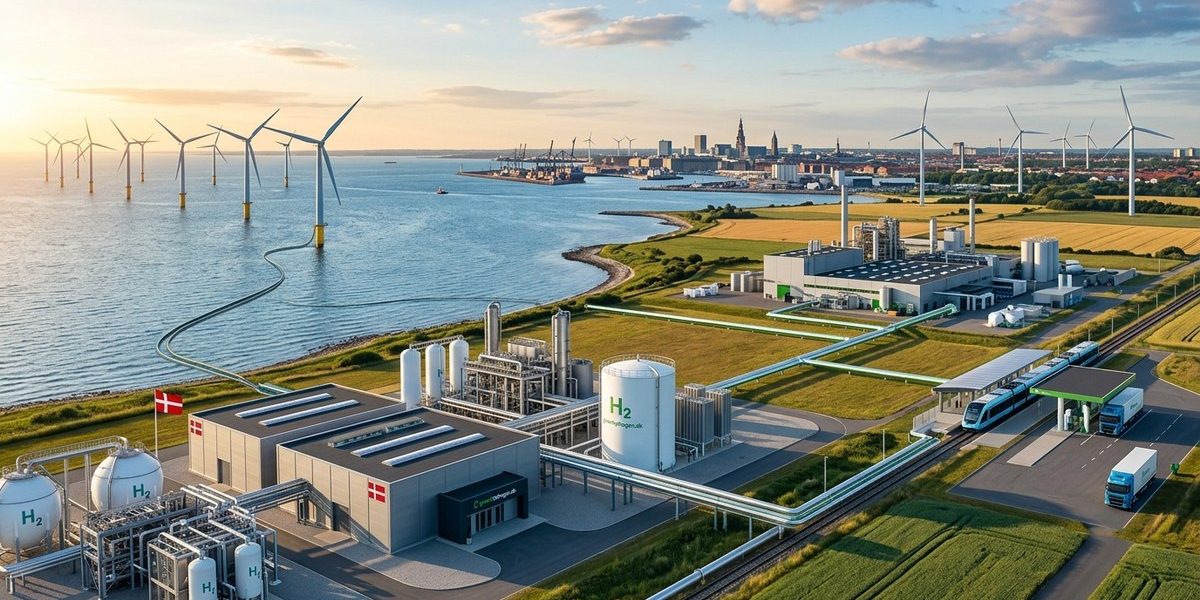
Denmark stands at the forefront of green hydrogen development, spearheading innovations that could redefine sustainable energy across Europe. Its ambitious projects, cutting-edge electrolyser technology, and strategic government policies are creating a robust foundation for a green hydrogen economy. As the world seeks greener alternatives, Denmark’s approach offers valuable lessons and inspiring breakthroughs that will influence the global energy landscape in 2026.
Denmark’s green hydrogen innovations in 2026 include advanced electrolyser designs, strategic infrastructure projects, and collaborative policies that position the country as a leader in renewable energy. These developments are shaping a sustainable future for Europe and beyond.
Danish innovations driving green hydrogen forward
Denmark’s commitment to renewable energy has naturally extended into green hydrogen. By combining technological breakthroughs with proactive policies, Danish companies and research institutions are creating a resilient infrastructure that supports large-scale production and utilisation of green hydrogen. These innovations are not only reducing reliance on fossil fuels but also paving the way for industry-wide decarbonisation.
Pioneering electrolysis technology in Denmark
Electrolysis remains central to Denmark’s green hydrogen ambitions. Danish firms have developed some of the most efficient electrolyser systems in the world, making it feasible to produce green hydrogen at competitive costs. These electrolyser designs prioritise durability, scalability, and energy efficiency, essential for meeting Denmark’s ambitious capacity targets.
Key innovations in Danish electrolyser design
Recent advances include:
- High-pressure electrolysers that minimise compression costs.
- Modular electrolyser units enabling flexible scaling.
- Integration with renewable energy sources, such as wind and solar, for continuous operation.
- Enhanced materials that withstand harsher conditions, reducing maintenance needs.
Practical steps for deploying Danish electrolyser technology
Implementing these innovations involves a straightforward process:
- Assessment of renewable energy availability to ensure consistent power supply.
- Design and customise electrolyser systems based on project capacity and site conditions.
- Integrate with existing grid or renewable sources to optimise energy use.
- Monitor performance regularly to fine-tune operations and improve efficiency.
- Scale up gradually, learning from initial projects to expand capacity.
Infrastructure projects shaping Denmark’s green hydrogen landscape
Denmark is investing heavily in infrastructure to support hydrogen production, storage, and transport. The Danish Hydrogen Backbone, a major pipeline network, exemplifies the country’s strategic approach. It aims to connect hydrogen producers in the north with industrial hubs and export terminals, facilitating cross-border energy trade.
Danish innovations in hydrogen transport and storage
- Developing high-capacity underground storage tanks to buffer supply and demand fluctuations.
- Enhancing pipeline technology with materials that resist corrosion and minimise leaks.
- Building refuelling stations for hydrogen-powered vehicles, supporting the transition to clean transport.
Practical steps in developing green hydrogen infrastructure
- Identify strategic locations for production, storage, and distribution.
- Collaborate with industry partners to design integrated supply chains.
- Invest in research and development of durable pipeline and storage materials.
- Establish regulatory frameworks that support safe and efficient infrastructure deployment.
- Expand public awareness and acceptance of hydrogen as a clean energy carrier.
Danish collaborations fueling innovation
Cross-sector partnerships between government, academia, and industry are central to Denmark’s success. Initiatives like the Danish Green Hydrogen Alliance foster knowledge exchange, joint R&D projects, and policy development. This collaborative spirit accelerates the deployment of innovative solutions and reduces technological risks.
“Danish leadership in green hydrogen hinges on shared expertise and strategic investments. Our collective efforts are creating a blueprint for global energy transition.” – Dr. Ingrid Madsen, renewable energy researcher
Broader impacts and future outlook
Danish innovations are influencing the broader European green hydrogen strategy. Their scalable electrolyser designs and infrastructure projects serve as models for neighbouring countries. As Denmark continues to refine its approach, its projects are expected to lead to lower costs, higher efficiency, and greater integration of renewable energy systems.
Emulating Denmark’s success
Other nations can adopt similar strategies by:
- Investing in research for advanced electrolyser materials.
- Building public-private partnerships for infrastructure development.
- Creating supportive policy environments that enable large-scale projects.
Practical advice for energy professionals
- Stay informed about the latest Danish electrolyser innovations by following updates from top innovations in Danish electrolyser technologies for 2026.
- Engage with local stakeholders to identify opportunities for infrastructure expansion.
- Prioritise modular and scalable solutions to adapt to evolving energy demands.
- Invest in workforce training to ensure operation and maintenance of advanced systems.
Technical insights and common pitfalls
| Technique | Benefit | Common mistake | How to avoid |
|---|---|---|---|
| High-pressure electrolysers | Reduce compression costs | Underestimating safety requirements | Follow strict safety standards and regular inspections |
| Modular design | Flexible scaling | Neglecting integration challenges | Conduct thorough site assessments beforehand |
| Renewable energy integration | Lower operational costs | Overlooking grid stability | Coordinate with grid operators early |
“To unlock the full potential of Danish electrolyser technology, it’s vital to understand both technical capabilities and operational challenges.” – Energy systems expert, Dr. Liam Turner
Moving towards a sustainable energy system
Danish green hydrogen innovations are demonstrating how technological excellence, strategic planning, and collaboration can accelerate energy transition. The country’s focus on scalable electrolyser designs and resilient infrastructure paves the way for a cleaner, more reliable energy future.
Building on Danish leadership in green hydrogen
As Denmark continues to refine its approach, the global energy community can learn from its successes. Embracing innovation, fostering partnerships, and investing in infrastructure will remain key drivers. For professionals in the energy sector, staying updated with Danish advancements offers an edge in shaping sustainable energy strategies.
Harnessing Danish innovation for a greener tomorrow
Applying these lessons can help other nations and organisations accelerate their green hydrogen journeys. Denmark’s story is a testament to what’s achievable through dedication, collaboration, and technological ingenuity. As the industry moves forward, leveraging these innovations will be essential to meet global climate goals and ensure energy security.
By following Denmark’s example, energy professionals can contribute to building a sustainable and resilient energy infrastructure that benefits communities, industries, and the environment alike.