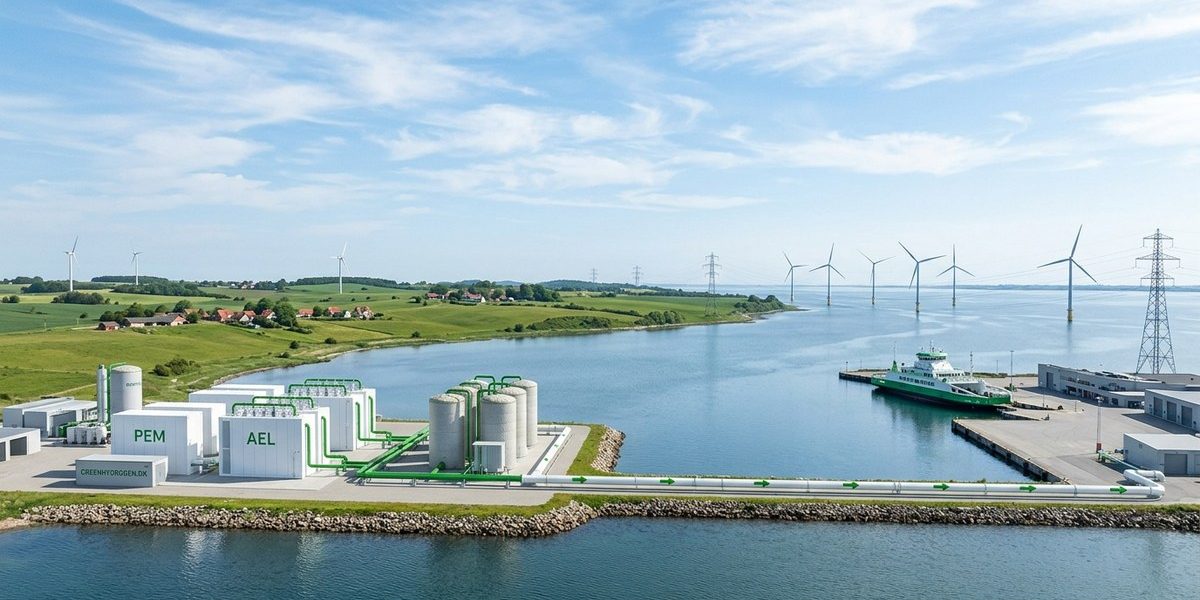
Denmark has long been a leader in wind energy. But there is a catch. The wind does not always blow when we need it. And when it blows too hard, we sometimes have to switch off turbines because the grid cannot handle the surplus. That is where green hydrogen enters the picture. By using excess electricity to split water into hydrogen, Denmark can store renewable energy for weeks or months. This stored hydrogen can then power factories, heat homes, or even be exported. In 2026, this is not just a nice idea. It is becoming a practical route to energy independence.
Denmark's green hydrogen strategy uses abundant wind power to produce hydrogen through electrolysis, enabling storage, industrial decarbonisation, and export. This cuts dependence on imported gas, boosts energy security, and aligns with net-zero goals. For policymakers and professionals, grasping this approach is essential for building an independent, resilient energy system by 2026.
Why Energy Independence Matters for Denmark
Energy independence is not about shutting out the world. It is about reducing vulnerability. Denmark currently imports around half of its energy needs, mostly in the form of natural gas and oil. Global price spikes, supply chain disruptions, and geopolitical tensions can hit household bills and industrial competitiveness.
The Russian invasion of Ukraine in 2022 was a wake-up call. It showed how quickly energy can become a weapon. Since then, Denmark has accelerated its push for homegrown solutions. Green hydrogen offers a way to replace imported natural gas with a fuel made from Danish wind. It also supports the 2030 target of cutting greenhouse gas emissions by 70 percent compared to 1990 levels.
Energy independence also means job creation. Building electrolysers, laying pipelines, and operating hydrogen storage facilities will create skilled roles across the country, from Jutland to Bornholm.
How Green Hydrogen Fits In
Green hydrogen is produced by running renewable electricity through an electrolyser, which splits water into hydrogen and oxygen. The hydrogen can then be used directly as a fuel, or combined with nitrogen to make ammonia for fertiliser, or processed into synthetic fuels for shipping and aviation.
For Denmark, the beauty of green hydrogen is that it turns an intermittent resource into a dispatchable one. When the wind is strong, electrolysers can ramp up production. When the wind dies down, stored hydrogen can be burned in power plants or fuel cells to generate electricity. This creates a buffer that makes the whole energy system more reliable.
The Danish government has committed to building at least 4 GW of electrolyser capacity by 2030. In 2026, the first large-scale projects are already under construction or in advanced planning. The North Sea wind farms being built in the coming years will provide the cheap, abundant electricity needed to run those electrolysers at high load factors.
The Danish Advantage: Wind and Electrolysers
Denmark’s wind capacity per capita is among the highest in the world. In 2025, offshore wind provided over 40 percent of the country's electricity. That share is set to grow. New energy islands, such as the one at Bornholm, will serve as hubs for both wind power and green hydrogen production.
Electrolyser technology is also advancing rapidly. Danish companies like Topsoe and Green Hydrogen Systems are developing more efficient and cheaper electrolysers. Partnerships between energy utilities and industrial users are already piloting hydrogen use in steelmaking, cement, and chemicals.
To see how these pieces fit together, take a look at our guide on harnessing renewable energy to power Denmark's green hydrogen future.
Practical Steps: How Denmark Can Scale Up
Scaling green hydrogen from pilot plants to a national backbone requires coordinated action. Here are the key steps:
- Build electrolyser capacity at scale. The 4 GW target by 2030 is ambitious but achievable. It means installing hundreds of megawatts each year. Policymakers need to streamline permitting and provide capital support for first-of-a-kind projects.
- Expand hydrogen storage infrastructure. Denmark has depleted natural gas fields under the North Sea that can be converted into hydrogen storage caverns. This is cheaper than building new tanks on land and provides months of backup capacity.
- Develop hydrogen pipeline networks. A dedicated hydrogen pipeline connecting Esbjerg to Germany is already planned. Extending the network to industrial clusters in Horsens, Aarhus, and Copenhagen will allow factories to switch from natural gas to hydrogen.
- Create demand hubs. The fuel won't flow unless there are customers. Government mandates for green hydrogen use in industry (for example, a minimum hydrogen quota in steel or fertiliser production) can kickstart the market.
Each of these steps builds on the last. Without storage, production can't balance supply and demand. Without pipelines, producers can't reach customers. Without demand, investment stalls.
Technologies Powering the Shift
Different electrolyser technologies suit different scales and operating conditions. Here is a comparison of the main types being deployed in Denmark today.
| Technology | Efficiency (LHV) | Maturity | Typical Scale | Danish Adoption |
|---|---|---|---|---|
| Alkaline electrolysis | 60–70% | Fully commercial | 1–100 MW | Widely used; established supply chain |
| PEM electrolysis | 55–65% | Commercial | 0.5–50 MW | Growing; favoured for dynamic operation |
| Solid oxide electrolysis | 70–85% (with heat) | Early commercial | 0.1–10 MW | Pilot projects; high temperature advantage |
| Anion exchange membrane | 50–60% | R&D to pilot | < 1 MW | Research phase; promising low-cost materials |
For a deeper look at recent breakthroughs, read about the top innovations in Danish electrolyser technologies for 2026.
Each technology has trade-offs. Alkaline is cheap and robust but responds slowly to variable wind. PEM can ramp up and down quickly, making it ideal for pairing with wind farms. Solid oxide runs at high temperatures and can use waste heat from industrial processes, boosting overall efficiency.
Common Pitfalls to Avoid
Experienced project developers in Denmark and abroad have identified several mistakes that can derail hydrogen initiatives. Keep these in mind:
- Over-reliance on a single electrolyser technology. Diversifying across PEM and alkaline systems reduces supply chain risk and lets you match technology to application.
- Neglecting grid integration. Electrolysers draw a lot of power. If they are built far from substations or without grid upgrades, connection delays can push projects back by years.
- Insufficient hydrogen storage planning. Without enough buffer, any disruption in wind output forces curtailment. Storage is the backbone of system resilience.
- Forgetting the oxygen. Electrolysis produces oxygen as a by-product. Selling or using it locally (for example, in wastewater treatment) can improve project economics.
- Underestimating water consumption. Producing 1 kg of hydrogen needs about 9 litres of deionised water. In drought-prone areas, this can become a constraint.
These lessons come from early movers. The Danish Energy Agency has published guidance to help developers avoid the same traps.
Policy and Investment Needed
Even with Denmark's natural advantages, green hydrogen won't scale without strong public policy. The EU's Hydrogen Strategy and the Danish government's "Power-to-X" action plan provide the framework. But real-world funding and regulation are what turn plans into steel and concrete.
"Green hydrogen is not a technology problem. It is an investment and policy problem. We have the engineering. What we need now is stable revenue support, faster permits, and a clear carbon price that makes green hydrogen cheaper than grey hydrogen from fossil gas."
— Danish Energy Agency, 2025
Carbon Contracts for Difference (CCfDs) are one tool the government is using. They guarantee a minimum price for green hydrogen, bridging the gap until the cost of electrolysers falls further. The EU's Innovation Fund and the Danish Green Fund are also co-investing in demonstration projects.
If you are involved in project planning, you might find our piece on unlocking Denmark's green hydrogen potential through advanced electrolyser deployment useful.
From Wind to Wheels: The Next Chapter for Danish Hydrogen
By 2026, Denmark already operates more than 200 MW of electrolyser capacity, with another 1.5 GW in the pipeline. The country is on track to become a net exporter of green hydrogen by 2030, supplying Germany and other European neighbours.
But this is not just about numbers. It is about transforming how Denmark thinks about energy. Instead of paying foreign suppliers for gas, the money stays in the Danish economy. Instead of burning fossil fuels, the country uses its own natural resource: wind. And instead of worrying about energy security, Denmark gains control.
The next few years will be critical. Electrolyser costs are falling, carbon prices are rising, and public support remains strong. The task now is to turn planning into bulldozers and pipes.
If you want to stay up to date with the latest developments, keep an eye on our coverage of how Danish green hydrogen projects are accelerating industry decarbonisation by 2026. The Danish hydrogen story is just getting started, and it is one that every policymaker, industry professional, and environmental advocate should follow closely.
Start by understanding your own organisation's energy needs. Then consider how green hydrogen could replace fossil fuels in your supply chain. Speak to technology providers, contact the Danish Energy Agency, and join the conversation. The wind is on our side. Let's use it.